Hi-Unit Launches Semi-Custom Print Service for BTW-A3800 Earphones with One-Unit Orders
By HiFi Editorial24 February 2026
Key Highlights
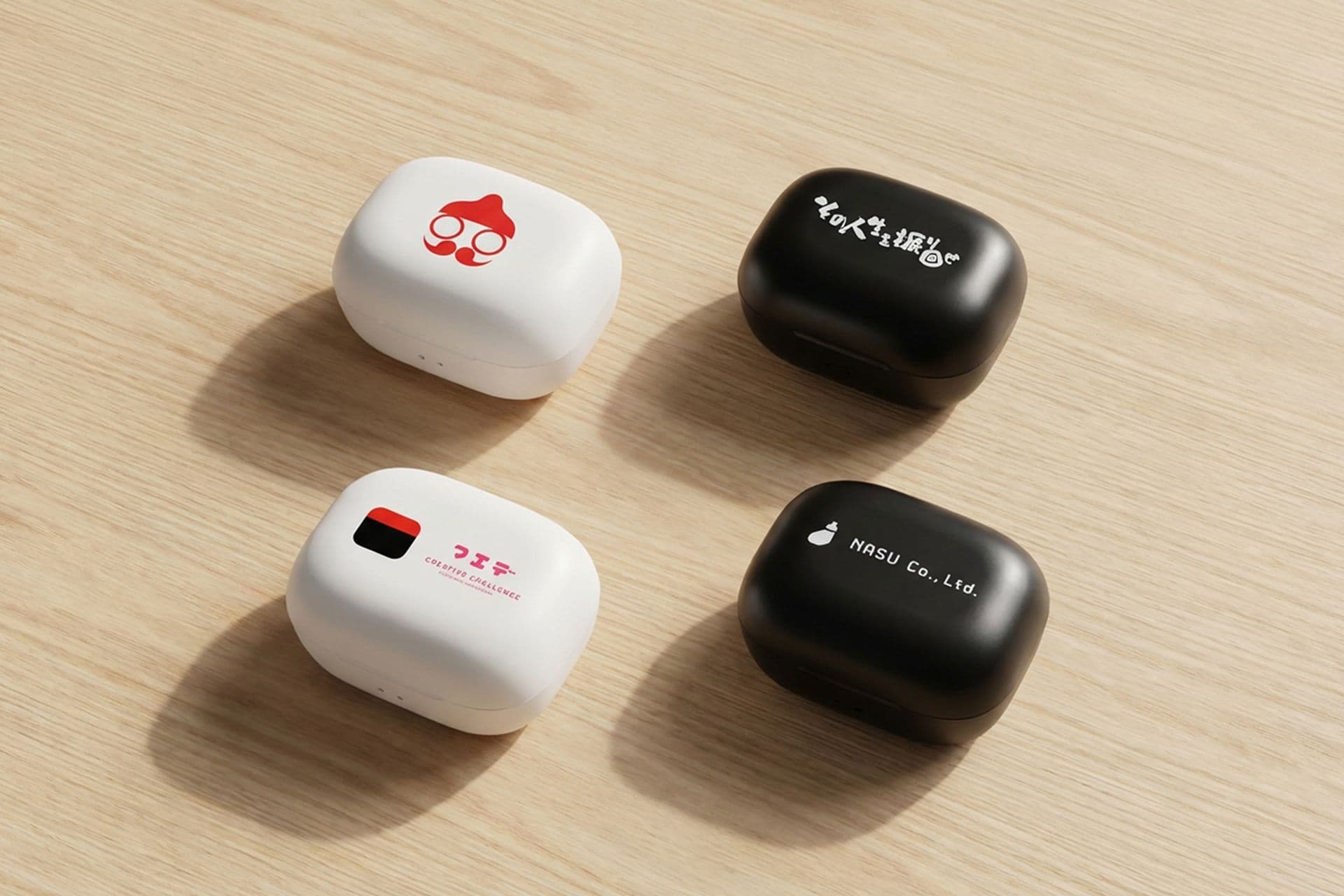
Hi-Unit launches a semi-custom print service on February 18, allowing logos or designs to be printed directly onto earphones starting from a single unit.
The service targets Hi-Unit earphones, initially supporting the BTW-A3800 model, and is available exclusively through the company’s official direct sales website.
Customers can order just one customized earphone, removing minimum lot restrictions and enabling flexible use for prototypes, commemorative items, or limited editions.
From a hardware perspective, the interesting angle is not the personalization itself but how Hi-Unit integrates printing into an existing acoustic design without altering its voicing. Printing directly onto an earphone shell typically implies a surface-level process—often UV or resin-based—that must respect the enclosure’s thickness and damping characteristics. On compact wireless designs like the BTW-A3800, even small changes in mass distribution or surface coating can influence resonance behavior in the upper mids or treble. Hi-Unit’s choice to limit the service to a single established model suggests the company has validated that the additional ink layer does not interfere with nozzle alignment, venting, or RF transparency around the antenna section, all of which are common pitfalls when modifying finished housings.
Another point worth noting is the positioning of this service between full custom IEMs and mass-produced color variants. Full reshells or custom-molded units typically involve compromises in driver matching and crossover tuning when scaled down, whereas Hi-Unit’s approach keeps the internal acoustic architecture untouched. From an audiophile standpoint, this preserves the known sound signature while allowing cosmetic differentiation—an approach closer to boutique faceplate customization than true CIEM workflows. Compared to engraving or laser etching, printed graphics also avoid micro-stress on the shell material, which can be a concern with harder plastics over long-term use.
Seen through a broader industry lens, Hi-Unit appears to be testing a manufacturing model that prioritizes flexibility over volume efficiency. Brands often avoid low-quantity customization due to setup costs and yield variability, but digital print pipelines reduce that overhead. If executed cleanly, this could signal a shift toward more modular personalization in consumer audio—where aesthetics become configurable without dragging acoustics into experimental territory. For enthusiasts who care about repeatable tuning and predictable fit, that separation of form and function is arguably the most meaningful takeaway.
HiFi Weekly Digest
New gear, best reads, and deals — every Friday.