Get the weekly hi-fi digest — new gear, best reads, and deals.

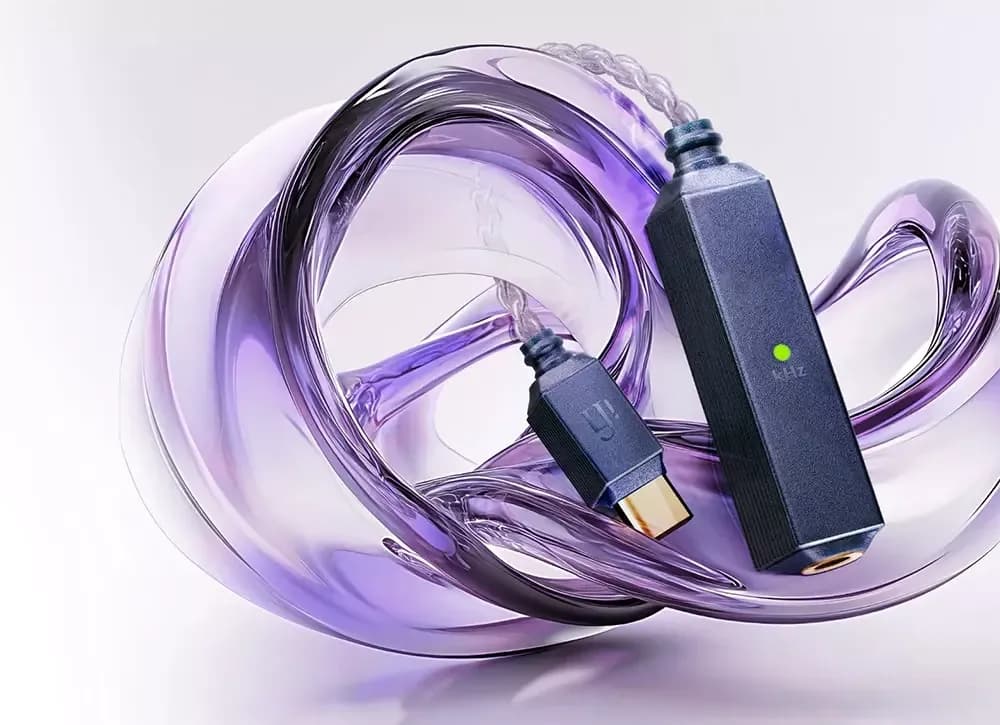
iFi Audio introduced the second-generation GO link 2 USB DAC/headphone amplifier, redesigned to be 8% smaller and 29% lighter than its predecessor.
GO link 2 bypasses internal smartphone and laptop DACs, converting any USB source into a high-resolution digital player with true plug-and-play operation.
The ESS Sabre DAC supports up to 32-bit/384 kHz PCM and native DSD256, with optimized tuning reducing distortion by 62% versus the original GO link.
In the second iteration of GO link, iFi appears to have doubled down on something many Sabre-based dongles struggle with: voicing. Rather than chasing headline figures, the engineering focus shifts toward taming the characteristic upper-mid and treble hardness often associated with compact ESS implementations. By recalibrating internal parameters within the DAC stage and paying closer attention to harmonic behavior, the design aims for a smoother decay and more linear timbre, especially noticeable with revealing IEMs. This places GO link 2 closer in spirit to iFi’s warmer house sound, distancing it from the hyper-etched presentation common in ultra-budget USB dongles that rely on reference ESS configurations.
The headphone stage also reflects a more nuanced approach than typical single-ended outputs in this class. iFi’s S-Balanced topology is not about brute-force power, but about noise management and spatial integrity. By borrowing concepts from balanced circuit design and adapting them to a standard 3.5 mm output, the architecture prioritizes channel separation and blacker backgrounds, which in practice benefits complex mixes and densely layered recordings. This is particularly relevant for modern portable listening, where sensitive in-ear monitors can easily expose grounding noise and channel bleed from inadequately designed dongles.
Taken as a whole, GO link 2 positions itself less as a “spec delivery system” and more as a forward-compatible digital interface for an evolving hi-res ecosystem. While today’s streaming platforms rarely exploit the upper limits of contemporary DACs, the device is engineered with enough headroom and control to avoid becoming the bottleneck as source quality improves. In that sense, it functions as a minimalist but considered bridge between mass-market digital sources and headphones that deserve more than the generic audio stages built into phones and laptops.
New gear, best reads, and deals — every Friday.

HiFi.De
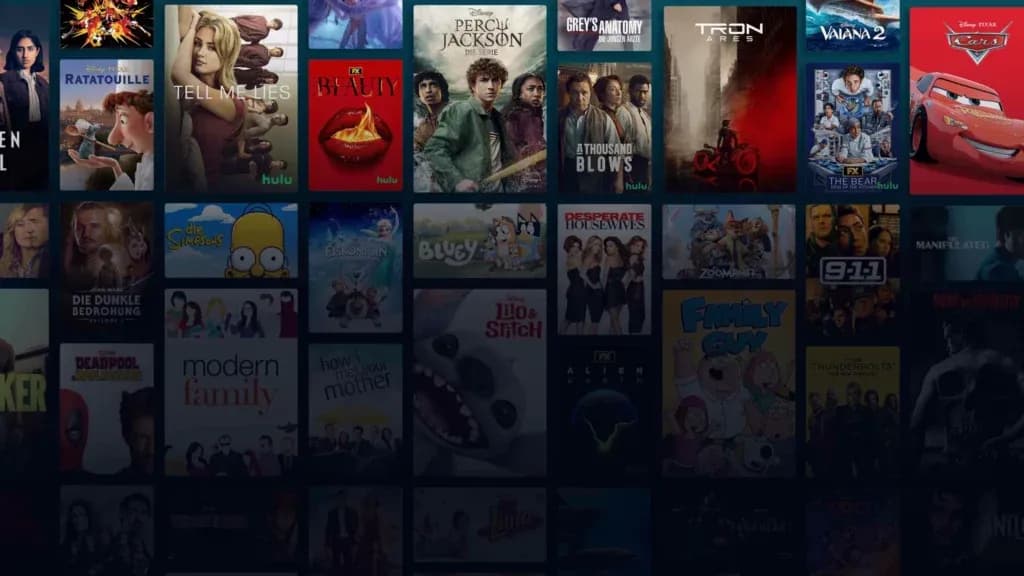
* Disney+ has completely removed HDR support, including HDR10, HDR10+, and Dolby Vision, due to an ongoing patent dispute affecting all subscription tiers.

* Munich launches the inaugural Munich HiFi Days in March, filling the gap left by the departed international High End trade show.

* Starting in 2026, Dirac Live software licenses will be sold in-person at HiFi Klubben stores across Denmark, Norway, Sweden, Germany, and the Netherlands.

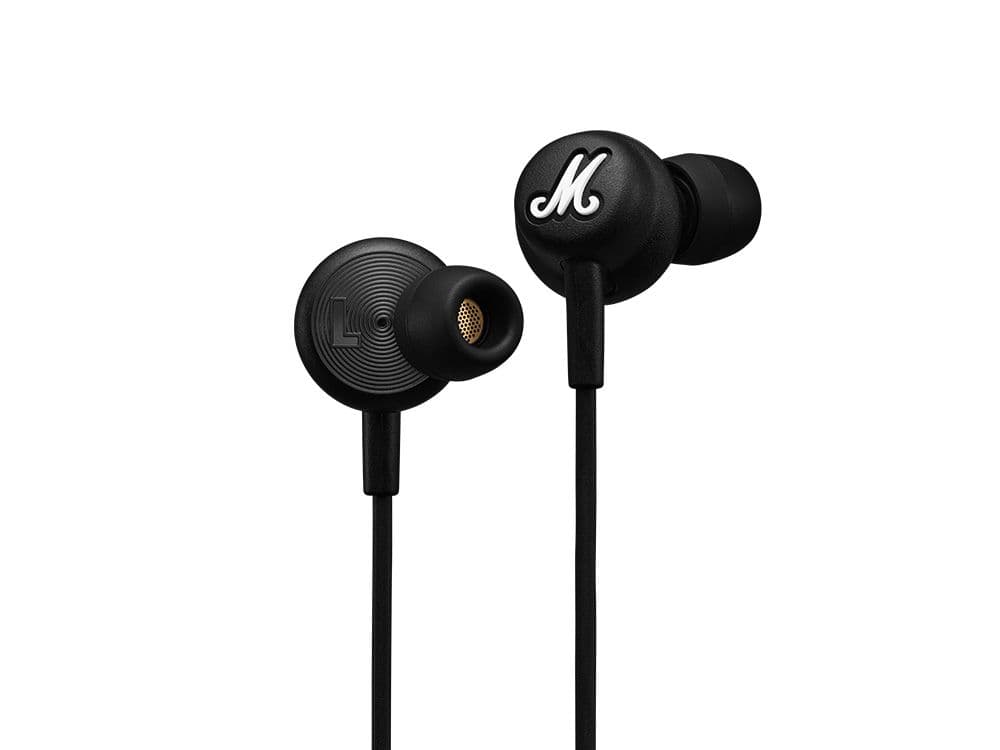
* Marshall releases Mode USB-C wired earphones featuring a USB-C plug, priced at ¥8,990, targeting modern smartphones lacking 3.5mm headphone jacks.