iFi Launches NEO iDSD 3 DAC/Headphone Amp, NEO Stream 3 Network Streamer, and ZEN Stream 3 Digital Transport with K2HD Processing
By HiFi Editorial24 February 2026
Key Highlights
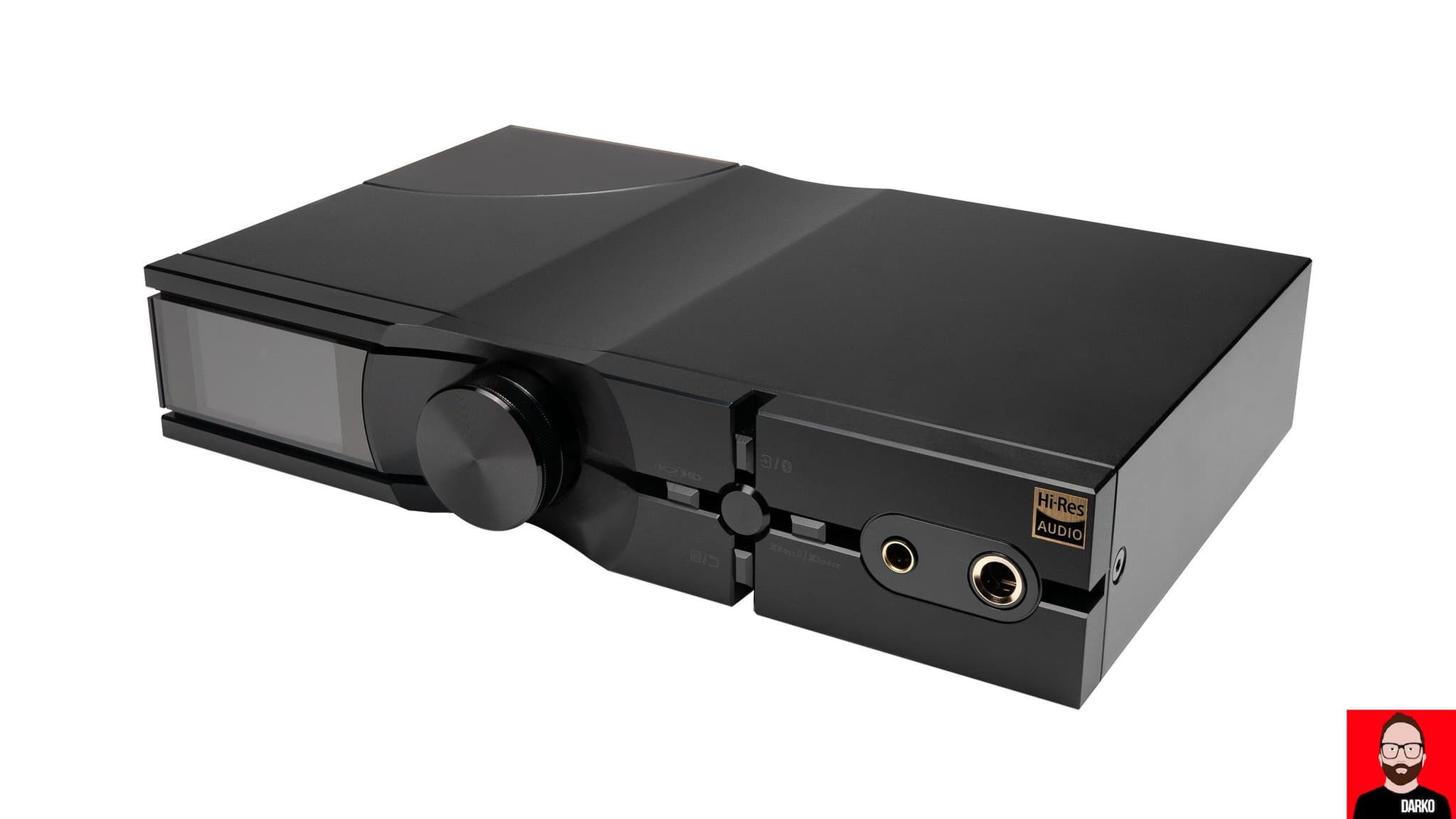
iFi refreshes its mid-range digital ecosystem** with NEO iDSD 3, NEO Stream 3 and ZEN Stream 3, all redesigned with upgraded circuitry, premium capacitors and JVCKENWOOD’s K2/K2HD processing, unified under the iFi Nexis control app.
NEO iDSD 3** is the flagship DAC/headphone amp, using a Burr-Brown DAC with separate PCM/DSD paths (up to 768kHz PCM, DSD512), Diablo 2–derived headphone stage delivering up to 2,532 mW, Bluetooth aptX Lossless/LDAC/LHDC, and a new RCA line-in.
NEO Stream 3** combines network streaming, DAC and preamp duties, adding Qobuz Connect to Tidal/Spotify/AirPlay 2, K2HD upsampling to 192kHz, OptiBox Ethernet isolation and enhanced noise reduction across digital outputs.
What ties the three launches together is less the feature set and more iFi’s renewed obsession with signal hygiene. Across sources, the emphasis shifts from headline formats to the quieter engineering work: revised power rails populated with polymer and ELNA Silmic II capacitors, lower-distortion op-amps, and a broader application of iFi’s noise-mitigation toolkit. The JVCKENWOOD K2 family sits at the centre of that strategy. Some commentators frame K2HD as a musical “restoration” layer, others as a controversial form of DSP, but the common thread is that iFi is now positioning it as a selectable, system-level process rather than a hidden filter—especially relevant in the streamers, where Ethernet isolation, USB noise cancellation and reclocked S/PDIF outputs are treated as equally important to the DAC silicon itself.
Looking closer at the NEO components, the split in design philosophy becomes clearer. The desktop DAC/headphone amp leans heavily on analogue-domain refinement: separate PCM and DSD paths off the Burr-Brown core, a headphone stage scaled up from iFi’s portable lineage, and a move away from mini-jack line inputs toward full-size RCA suggests it is being nudged into more traditional two-channel systems. By contrast, the network player with onboard conversion is framed by some sources as a “control centre” rather than a DAC-first product. Borrowing an established conversion stage from an earlier generation allows engineering effort to be spent on the streaming engine, Ethernet isolation and software layer, with K2HD upsampling presented as an optional seasoning rather than a default.
The entry-level transport completes the picture by showing where iFi has chosen not to spend. Stripping out the DAC shifts the conversation to clocking, output conditioning and operating modes that shut down background processes—areas often debated in forums but rarely addressed so explicitly at this price. Notably, the decision to omit K2HD upsampling while retaining base K2 processing reinforces the idea that iFi sees resolution management and harmonic reconstruction as distinct tools, not a one-size-fits-all solution. Taken together, the trio reads less like a routine refresh and more like a modular rethink of how digital front ends are built, isolated and voiced in real-world systems.
HiFi Weekly Digest
New gear, best reads, and deals — every Friday.