Get the weekly hi-fi digest — new gear, best reads, and deals.

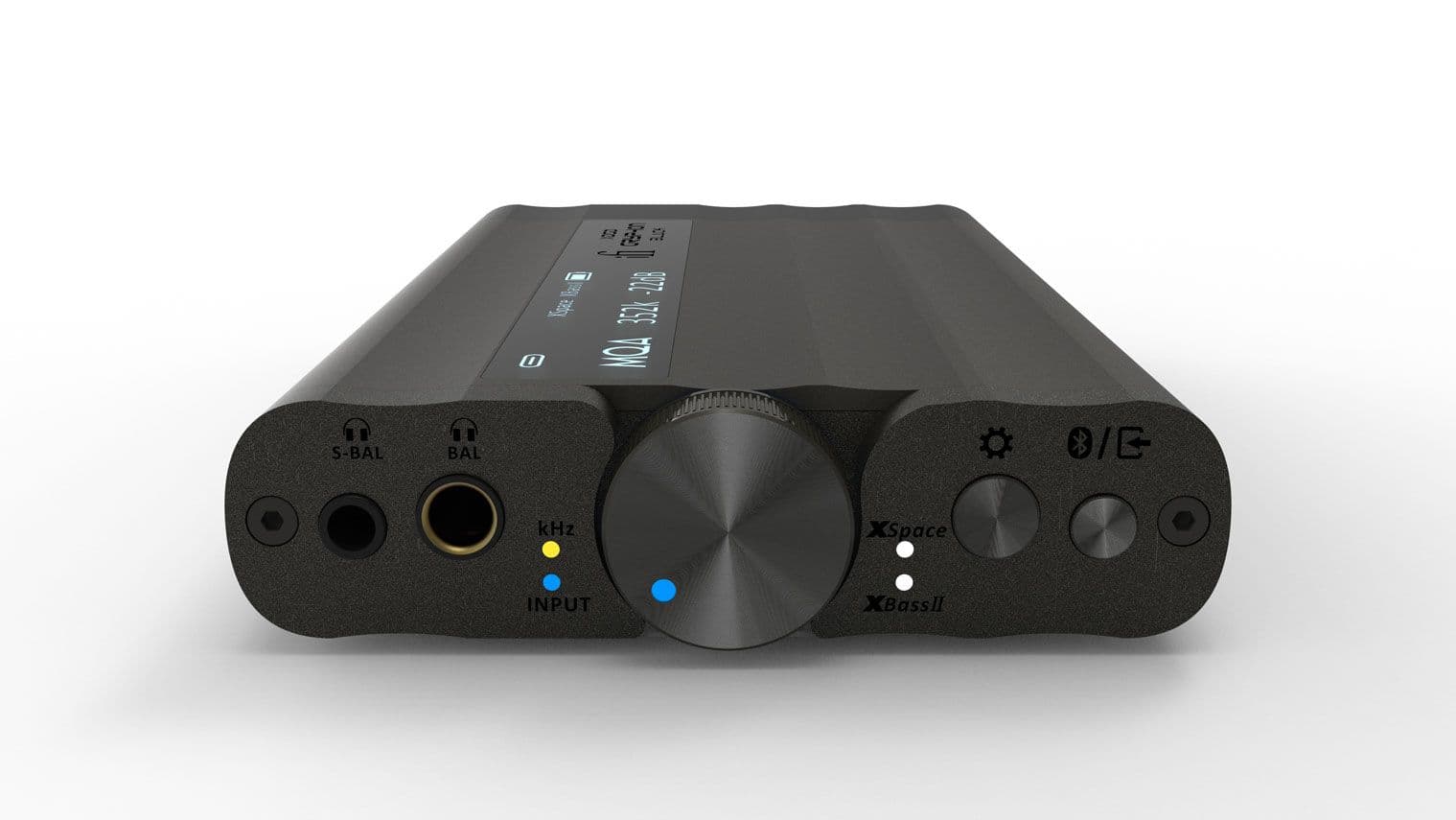
iFi audio launches the xDSD Gryphon Black portable DAC/headphone amp on March 6, priced around ¥107,800, featuring a redesigned black chassis replacing the discontinued silver model.
It uses the same Burr-Brown DAC chipset as the Pro iDSD Signature, supporting up to 768kHz/32-bit PCM, native DSD512, and full MQA decoding via a 16-core XMOS processor.
The PureWave fully balanced amplification circuit delivers up to 1,000mW at 32Ω, achieving high output power in a portable form with minimized signal loss and ultra-low noise.
The shift to a black chassis is more than cosmetic when viewed through a technical lens. Several sources point out that iFi has historically used enclosure finishes as part of its EMI management strategy, and the Gryphon Black continues that thinking by pairing the darker anodized housing with internal shielding refinements carried over from higher-end desktop designs. This matters because the Burr-Brown DAC topology used here is prized among audiophiles for its slightly organic, non-etched presentation, but it is also sensitive to noise ingress. In a portable device juggling wireless radios, USB power, and high-current amplification, controlling internal interference becomes as critical as the converter itself.

From a circuit-design perspective, the Gryphon Black sits in an interesting middle ground between transportable and desktop gear. The balanced PureWave architecture is not just about output symmetry; it allows iFi to keep the signal path short and reduce the need for corrective gain stages, which in turn preserves microdynamic contrast. Compared to typical portable DAC/amps that rely on op-amp stacking, this approach leans closer to discrete thinking, even if implemented in an integrated form. Sources also note that OptimaLoop’s multi-feedback strategy is tuned to maintain stability across wildly different headphone loads, which explains why the unit is positioned as equally comfortable with sensitive IEMs and high-impedance dynamics without resorting to aggressive digital attenuation.
Another point of divergence in coverage is how the Gryphon Black is framed as a system hub rather than a simple DAC/amp. The inclusion of a configurable line stage that can switch roles between input and output effectively decouples it from being “just” a portable accessory. In practice, this opens up use cases as a battery-powered analog amplifier or a high-quality digital front end feeding active speakers. Combined with iFi’s analog-domain tuning tools, which operate without DSP artifacts, the Gryphon Black is best understood as a modular signal-shaping device—one that reflects iFi’s ongoing effort to blur the line between portable convenience and serious hi-fi engineering.
New gear, best reads, and deals — every Friday.

HiFi.De
* Disney+ has completely removed HDR support, including HDR10, HDR10+, and Dolby Vision, due to an ongoing patent dispute affecting all subscription tiers.

* Munich launches the inaugural Munich HiFi Days in March, filling the gap left by the departed international High End trade show.

* Starting in 2026, Dirac Live software licenses will be sold in-person at HiFi Klubben stores across Denmark, Norway, Sweden, Germany, and the Netherlands.

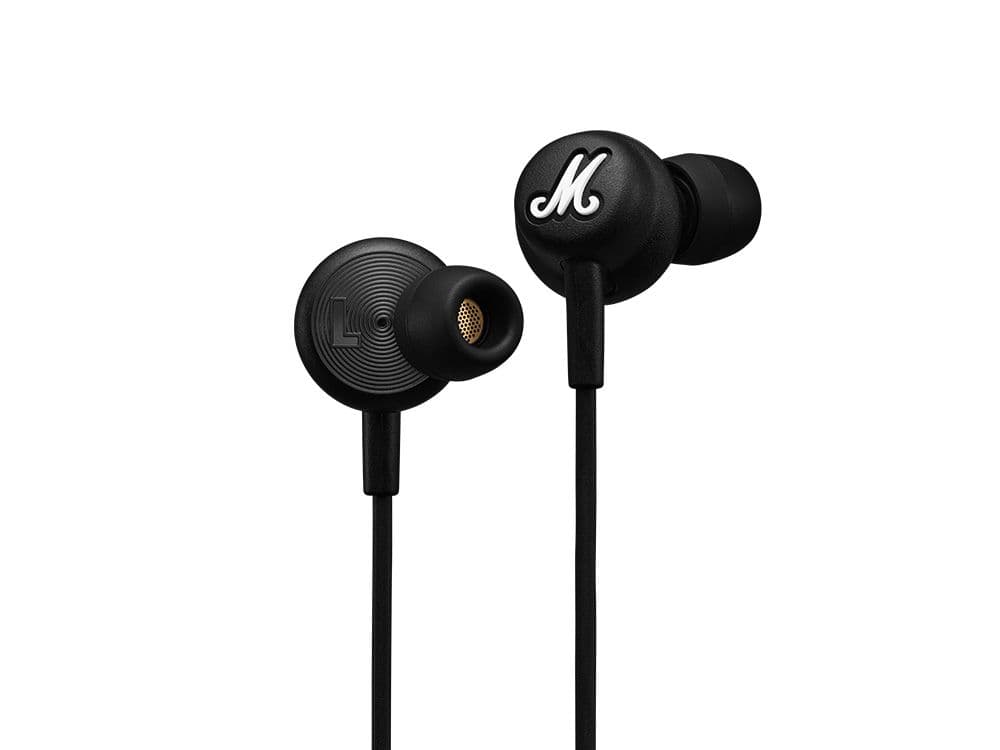
* Marshall releases Mode USB-C wired earphones featuring a USB-C plug, priced at ¥8,990, targeting modern smartphones lacking 3.5mm headphone jacks.