Get the weekly hi-fi digest — new gear, best reads, and deals.

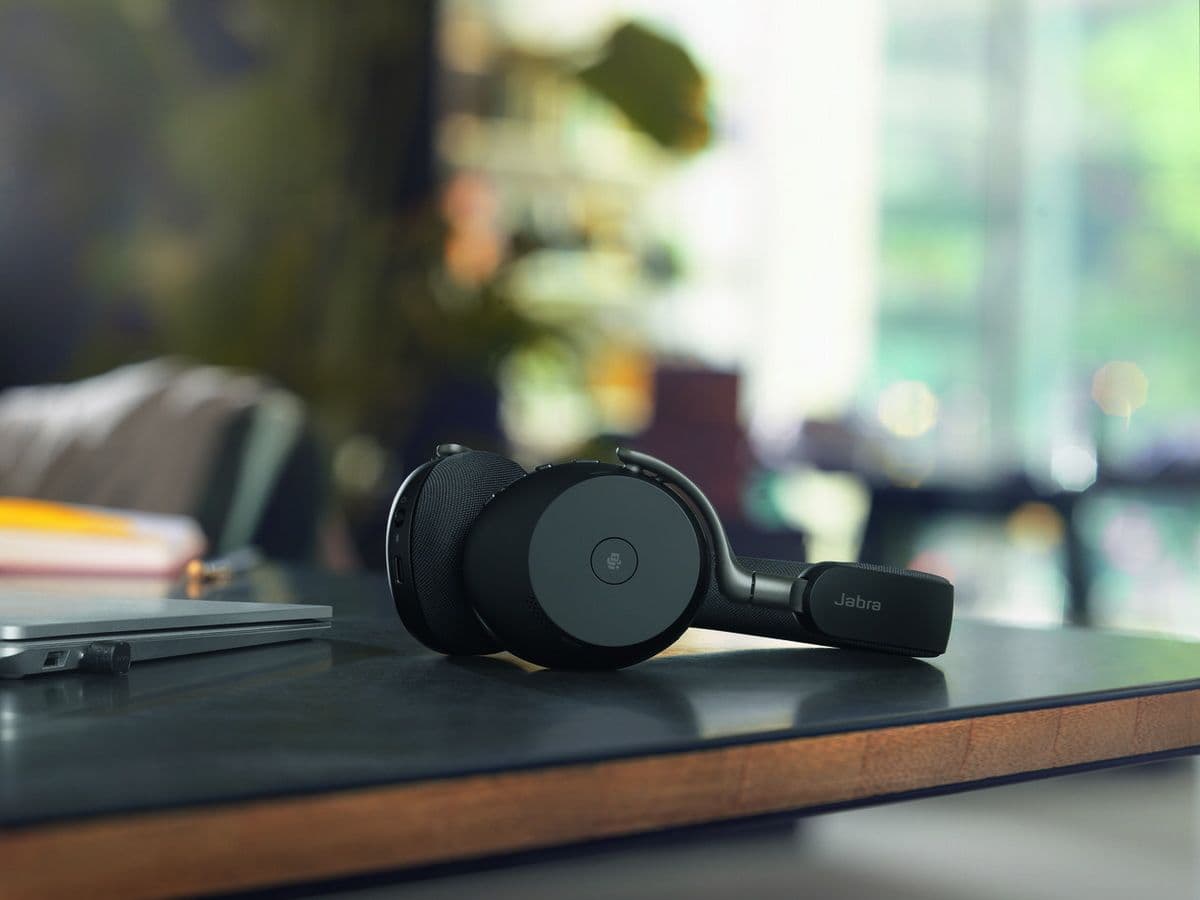
Jabra announced the Polish launch of Evolve3 85 (over-ear) and Evolve3 75 (on-ear) headsets, available from March 1, 2026, priced at PLN 1999 and PLN 1499 respectively.
Both models eliminate the traditional microphone boom, using Jabra ClearVoice with deep neural network (DNN) processing trained on tens of millions of sentences for professional voice clarity.
Adaptive Active Noise Cancellation dynamically adjusts in real time during calls and music, complemented by Enhanced Spatial Sound and Sidetone for more natural, less fatiguing conversations.
The most radical engineering choice in the Evolve3 line is not cosmetic but acoustic: abandoning the microphone boom forces the entire voice chain to live inside the earcup architecture. From a signal-processing perspective, this means tighter coupling between the microphone array, internal acoustic chambers, and DSP. Sources emphasize Jabra’s DNN-based ClearVoice as the enabler, yet the more interesting angle is how aggressively near-field voice characteristics are modeled to compensate for the lack of physical mic proximity. Compared to classic boom designs favored in enterprise headsets, this approach trades mechanical certainty for algorithmic precision, aligning the Evolve3 series closer to modern true‑wireless call processing—only scaled up to full-size transducers with greater headroom and less aggressive noise gating.

The split between Evolve3 85 (over-ear) and Evolve3 75 (on-ear) also hints at different acoustic priorities. Over-ear cups typically allow better control of low-frequency pressure and internal resonance, which benefits both passive isolation and spatial processing, while on-ear designs rely more heavily on DSP consistency across varying ear shapes. Some sources frame both as “universal” headphones, yet forum-style analysis suggests the 85 will appeal to users sensitive to long-session fatigue and bass stability, whereas the 75 favors portability and faster transient perception at the expense of absolute seal. Claims of extreme compactness and low mass further suggest lightweight driver assemblies and restrained clamping force—choices that prioritize comfort over the kind of visceral slam audiophiles associate with heavier studio cans.
What emerges from different perspectives is that Evolve3 is less about chasing reference tuning and more about minimizing cognitive load during prolonged voice-centric use. Features like spatial voice rendering and controlled self-monitoring (Sidetone) are not audiophile luxuries but psychoacoustic tools, reducing vocal strain and the subconscious tendency to over-project. In that sense, Jabra positions these headsets at an intersection: not consumer hi‑fi, not legacy office gear, but a new category where DSP sophistication compensates for physical compromises, and where neutrality is defined by conversational intelligibility rather than by frequency-response charts.
New gear, best reads, and deals — every Friday.

HiFi.De
* Disney+ has completely removed HDR support, including HDR10, HDR10+, and Dolby Vision, due to an ongoing patent dispute affecting all subscription tiers.

* Munich launches the inaugural Munich HiFi Days in March, filling the gap left by the departed international High End trade show.

* Starting in 2026, Dirac Live software licenses will be sold in-person at HiFi Klubben stores across Denmark, Norway, Sweden, Germany, and the Netherlands.

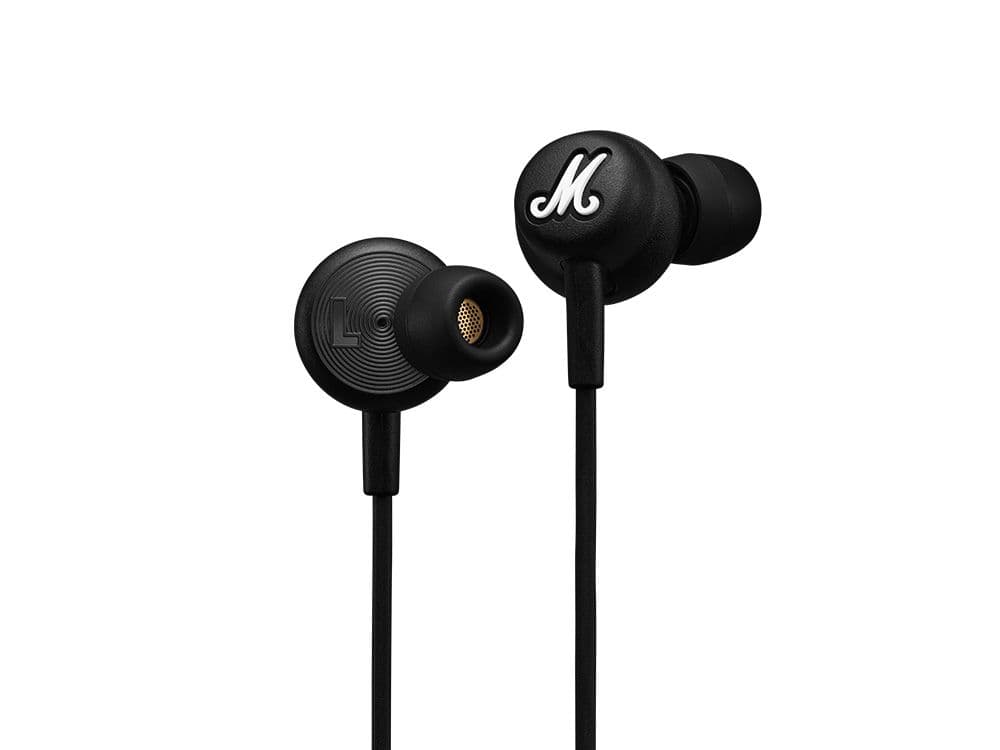
* Marshall releases Mode USB-C wired earphones featuring a USB-C plug, priced at ¥8,990, targeting modern smartphones lacking 3.5mm headphone jacks.