Get the weekly hi-fi digest — new gear, best reads, and deals.

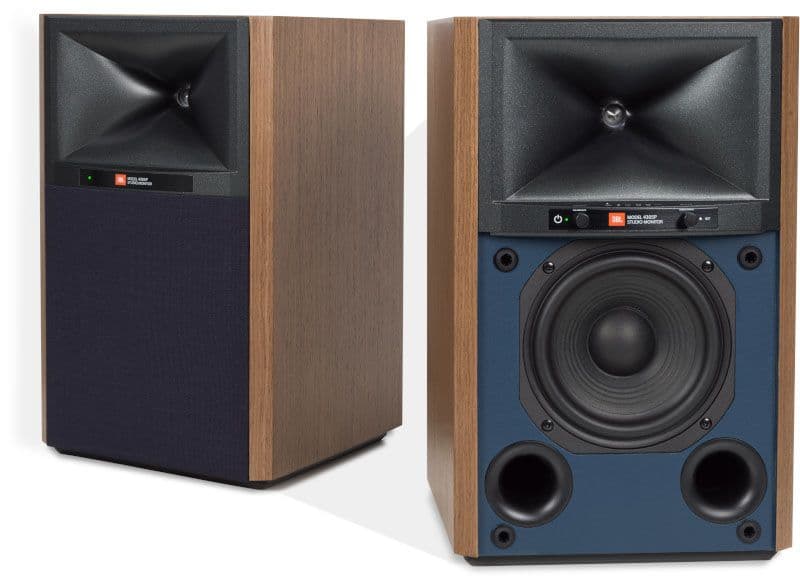
Harman International released firmware enabling Qobuz Connect and Spotify Connect lossless on JBL active speakers 4305P, 4329P, plus MP350 Classic network player.
Supported firmware versions are V2145 for JBL 4305P and 4329P active speakers, and V2141 for the MP350 Classic network player.
The update allows direct, high-quality network streaming from music services without relying on smartphones or PCs as playback intermediaries.
The more interesting implication of this update is not the headline feature itself, but how it reshapes the signal path inside JBL’s networked active ecosystem. By moving playback initiation and decoding fully into the speaker or network player, the control device becomes strictly a UI endpoint rather than part of the audio chain. That eliminates sample‑rate negotiation issues, OS‑level resampling, and variable clock behavior often introduced by mobile or desktop sources. For active designs like the 4305P and 4329P, this aligns well with their internal architecture, where DSP crossover, amplification, and DAC stages are already tightly integrated and optimized around a fixed digital domain.

From a protocol perspective, Qobuz Connect and Spotify Connect take subtly different approaches that matter to listeners chasing transparency. Qobuz’s model emphasizes native decoding on the endpoint, allowing high‑resolution PCM streams to pass directly into the device’s internal processing without intermediate transcoding. Spotify’s Connect implementation, while historically tied to lossy delivery, is architecturally similar in that it hands off stream management to the hardware itself. The practical takeaway is reduced network jitter sensitivity and more predictable buffering behavior, which is especially relevant in systems where the speakers themselves act as the final digital audio renderer rather than relying on an external streamer.
Seen in a broader context, this firmware positions JBL’s classic‑leaning active speakers closer to dedicated network streamers in terms of functionality, without adding another box to the rack. For setups built around active monitors, this closes a long‑standing gap between studio‑derived loudspeaker design and modern audiophile streaming workflows. The result is a cleaner, more deterministic playback chain that plays to the strengths of active loudspeakers: short signal paths, tightly controlled amplification stages, and minimal opportunities for digital contamination before the drivers ever move.
New gear, best reads, and deals — every Friday.

* Queen will release a 5CD+2LP super deluxe Queen II box set on 27 March 2026 via EMI, expanding the original 1974 album extensively.

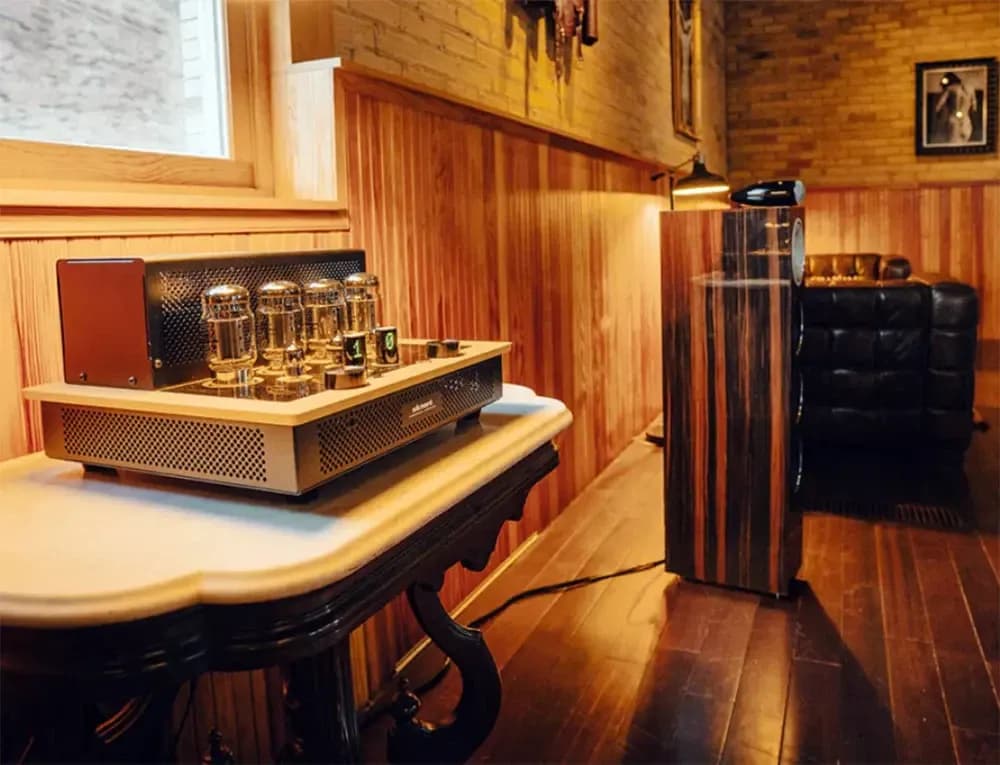
* Audio Research I/55 is a compact tube integrated amplifier derived from I/70, succeeding I/50, targeting high-end listeners seeking classic tube sound with m…

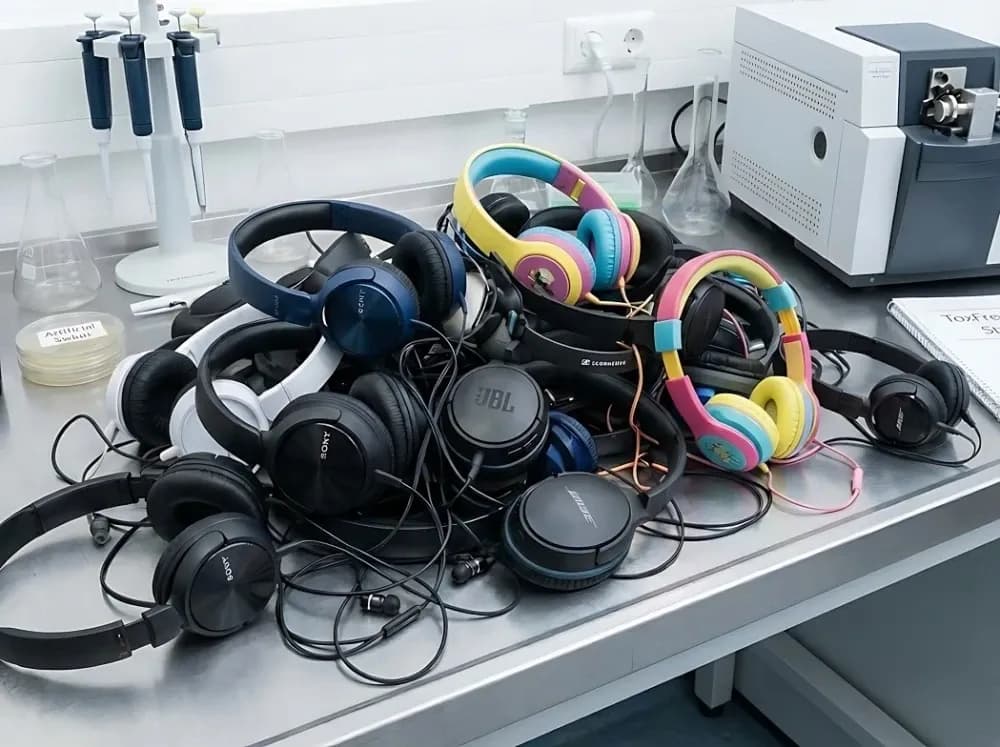
* ToxFreeLife tested 81 headphone models from brands including Sony, Apple, JBL, Bose, Samsung, and Temu across European retail and online marketplaces.

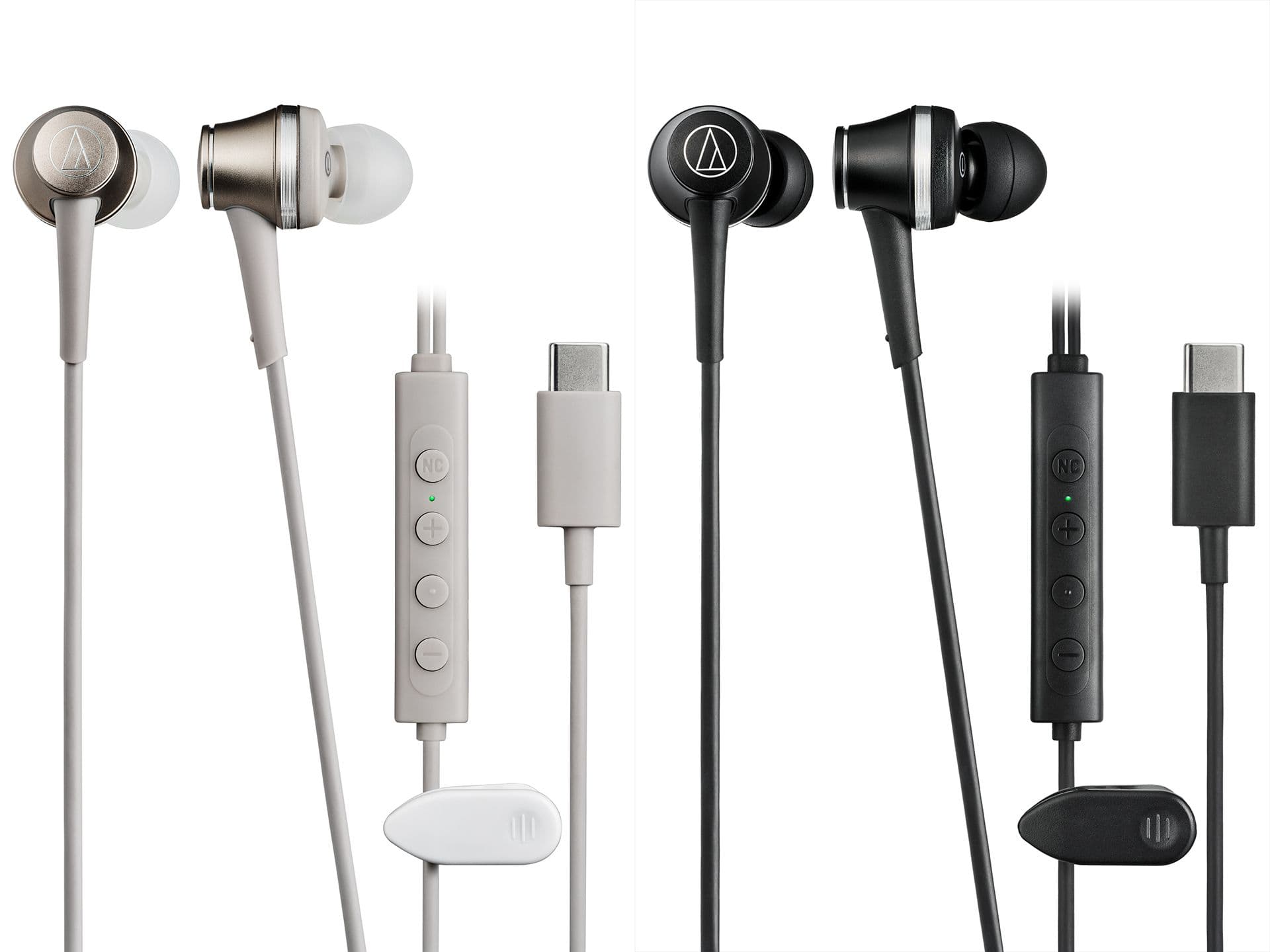
* Audio-Technica launches the ATH-CKD7NC USB-C wired earphones on February 27, featuring hybrid noise cancelling and priced at ¥9,680 via direct sales.