Get the weekly hi-fi digest — new gear, best reads, and deals.

MSB Technology unveiled The SENTINEL DAC, a handcrafted, build-to-order flagship DAC priced at ¥66.8 million (pre-tax), requiring 5–6 months for completion.
The system uses a no-compromise three-chassis architecture: SENTINEL Digital Director, Analog Converter, and Power Supply, maximizing electrical isolation and performance synergy.
Digital processing is handled by the Digital Director, featuring a large display, intuitive controls, and optical Sentinel-Link fiber transmission with complete left-right channel isolation.
What stands out beyond the obvious excess is how the Sentinel project reframes MSB’s long‑held modular philosophy into something closer to an internal ecosystem. The Digital Director is less a transport-facing convenience box than a computational firewall, deliberately engineered to strip timing uncertainty and ground interaction out of the equation before anything reaches the conversion stage. The use of optical isolation here is not just about noise rejection, but about preserving deterministic behavior between stages—an approach more commonly seen in lab instrumentation than consumer audio. Some observers note that this effectively treats the DAC as a closed-loop system, where upstream variability is rendered largely irrelevant, shifting the performance ceiling decisively toward clock integrity and analog execution.
That design priority explains why so much of the engineering gravity sits around the Sentinel Clock and the massively parallel Hybrid DAC MKII array. Moving from eight to thirty-two discrete DAC modules is not simply about lowering noise through averaging; it enables MSB’s bit diffusion strategy to operate with far finer granularity, distributing conversion errors in a way that avoids the familiar “polite but flat” presentation of many ultra-low-noise DACs. Compared to off-the-shelf femto clock solutions used by competitors, MSB’s custom crystal and thermal control scheme suggests a belief that long-term phase stability matters more than headline jitter numbers. This is a philosophical split in the high-end digital world: specification-driven minimalism versus brute-force determinism through complexity and material science.
The power architecture reinforces that stance. Rather than chasing a single monolithic supply, MSB isolates functional domains down to the clock itself, acknowledging that timekeeping is an analog problem masquerading as a digital one. Six shielded toroidal transformers and dedicated feed paths may sound like overkill, but they align with the broader intent to prevent cross-domain modulation at any cost. Even the extreme billet machining feels less cosmetic when viewed through this lens—it’s about mechanical consistency and resonance control as much as visual theater. In that sense, the Sentinel is less a DAC in the traditional audiophile upgrade path and more a statement on how far digital playback can be pushed when cost, scale, and manufacturing pragmatism are deliberately taken off the table.
New gear, best reads, and deals — every Friday.

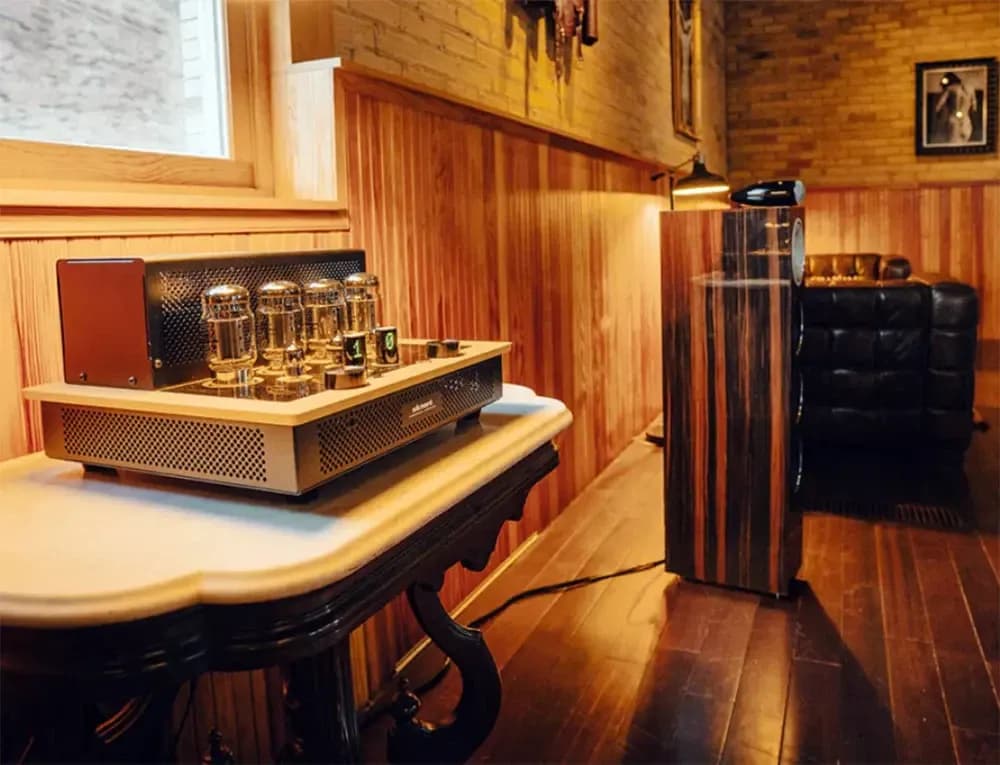
* Audio Research I/55 is a compact tube integrated amplifier derived from I/70, succeeding I/50, targeting high-end listeners seeking classic tube sound with m…

T3 Audio
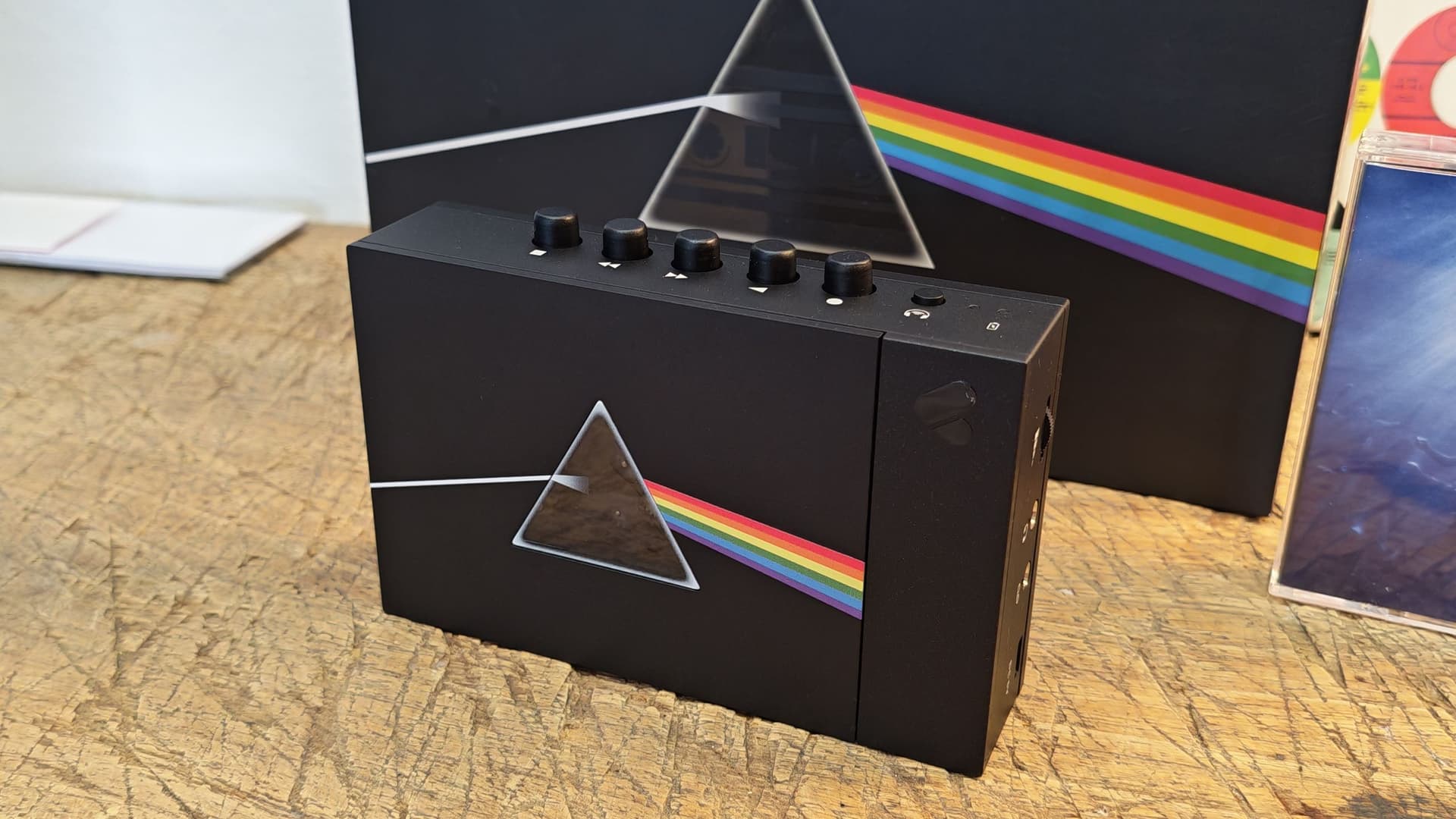
* We Are Rewind announces a limited edition cassette player celebrating Pink Floyd, featuring the iconic Dark Side of the Moon prism artwork on the device.

* ToxFreeLife tested 81 headphone models from brands including Sony, Apple, JBL, Bose, Samsung, and Temu across European retail and online marketplaces.

* Xiaomi Japan launched the REDMI Buds 8 Pro on February 24, priced around ¥9,980, with an early-bird discount of ¥8,980 until March 9.