Get the weekly hi-fi digest — new gear, best reads, and deals.

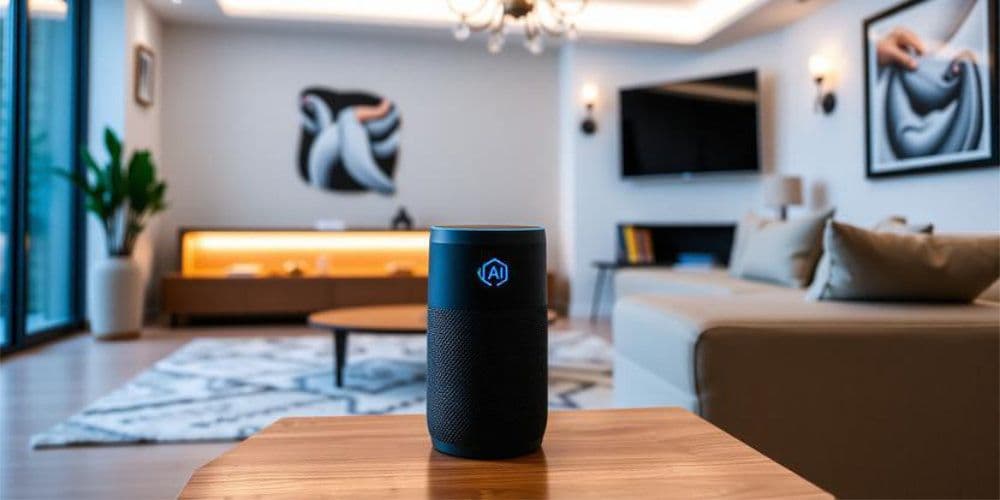
OpenAI plans to enter consumer hardware with an AI-centric smart speaker, potentially launching around 2027, expanding beyond software like ChatGPT into physical products.
Unlike Amazon Echo or Apple HomePod, OpenAI’s smart speaker reportedly integrates a camera plus microphones, enabling environmental awareness and object-based visual queries.
The device could support face recognition for multi-user personalization and shopping use cases, with an expected price range of 200–300 USD and near-term delivery goals.
From an audio-engineering angle, an AI-first speaker from OpenAI would inevitably flip the usual design priorities seen in Echo or HomePod. Instead of tuning the product around brand-specific voicing or room-filling loudness, the core challenge becomes latency and signal coherence across sensors. For meaningful real‑time interaction, the microphone array would need aggressive beamforming and echo cancellation that doesn’t smear transients or collapse intelligibility at low SPLs. Audiophiles will recognize the trade-off immediately: voice-optimized DSP chains often sacrifice dynamic nuance, so the real question is whether OpenAI pursues a cleaner signal path—high headroom ADCs, low-noise preamps, and a DAC stage that avoids the “Bluetooth speaker haze” common in smart devices.
Industry watchers also note a philosophical split between OpenAI’s approach and that of established audio brands. Apple and Amazon tend to treat AI as a service layered on top of a finished acoustic product, whereas OpenAI appears to start with perception and reasoning, then work outward to hardware. That inversion could influence enclosure design, driver orientation, and even crossover strategy, prioritizing consistent acoustic reference points for the AI rather than sweet-spot listening for humans. In forum terms: less “warm living-room sound,” more studio monitor neutrality, optimized for speech, spatial cues, and environmental context rather than musical indulgence.
The broader hardware roadmap—spanning wearables and ambient devices—suggests a modular audio philosophy rather than a one-off speaker experiment. If that holds, expect tight synchronization across microphones and speakers, possibly leveraging time-aligned playback and capture in ways current smart speakers rarely attempt. For hi‑fi enthusiasts, this is where skepticism and curiosity intersect: the concept promises technical sophistication, but credibility will hinge on whether OpenAI treats audio as a first-class signal, not just a transport layer for AI responses.
New gear, best reads, and deals — every Friday.

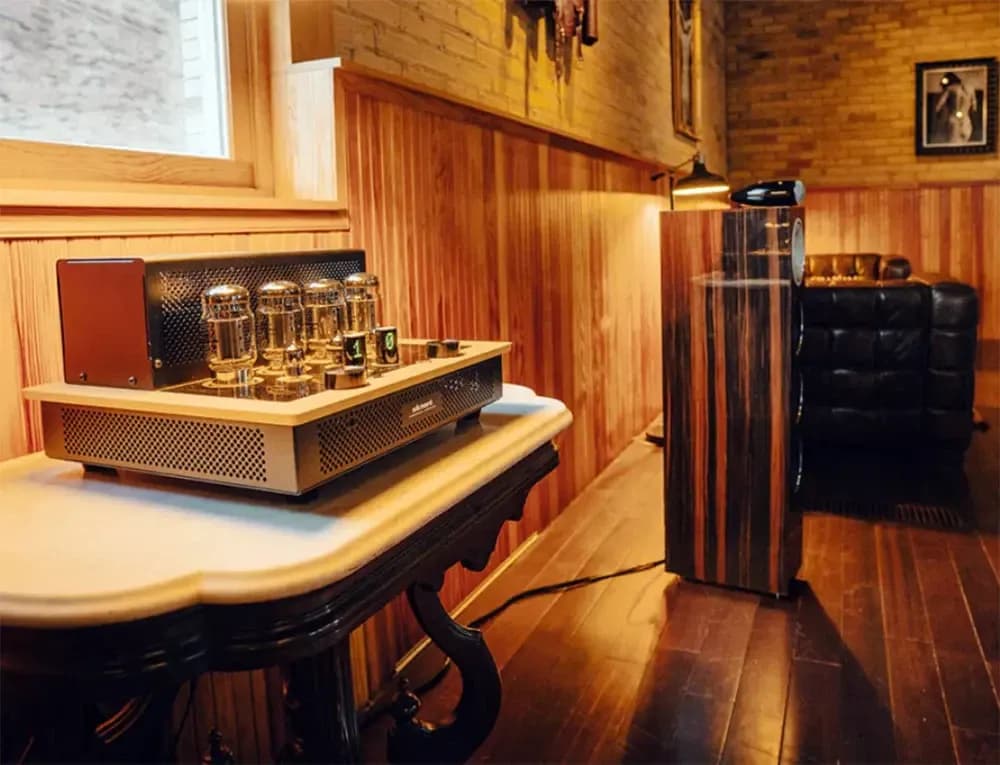
* Audio Research I/55 is a compact tube integrated amplifier derived from I/70, succeeding I/50, targeting high-end listeners seeking classic tube sound with m…

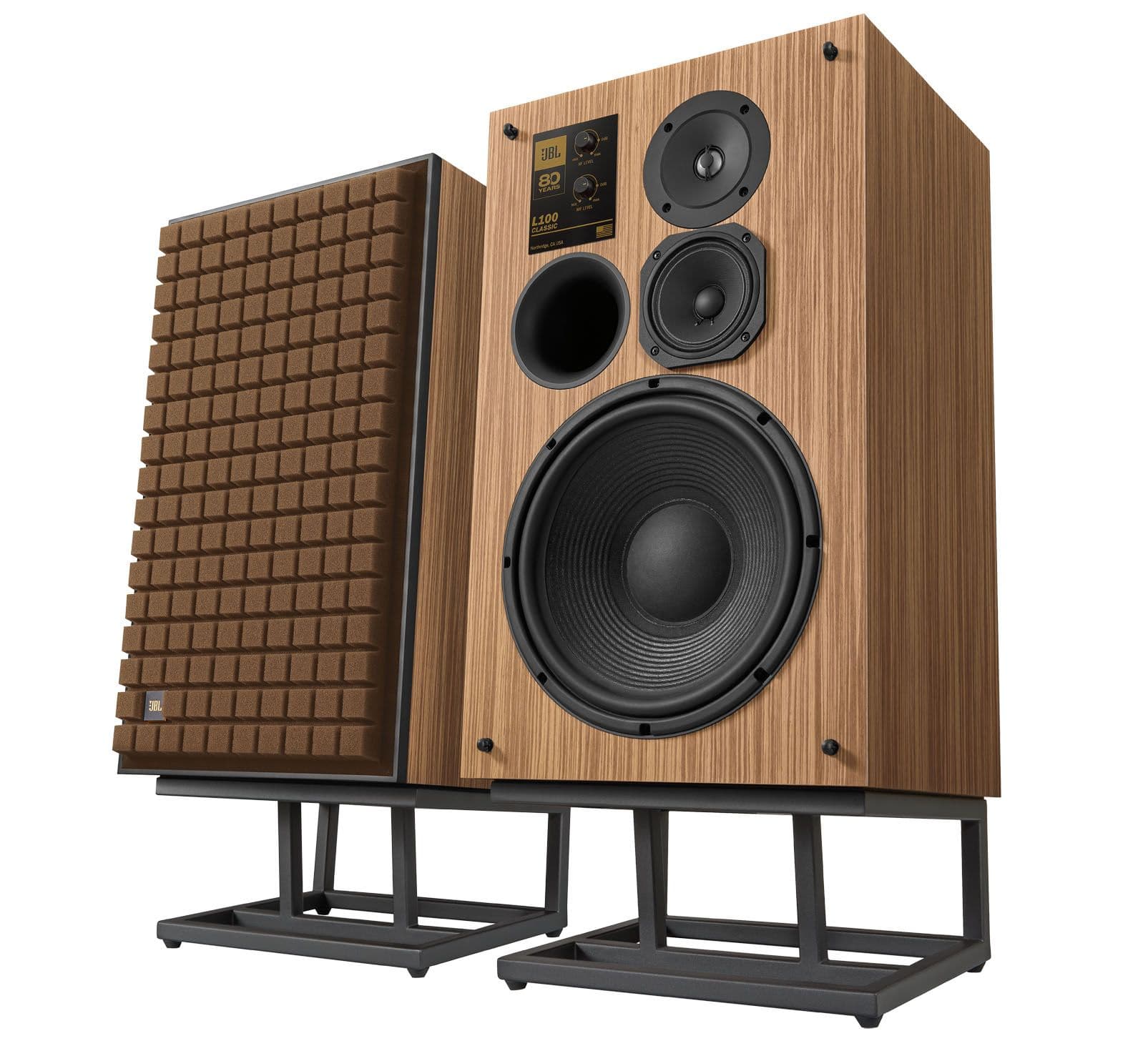
* JBL L100 Classic 80 commemorates JBL’s 80th anniversary, based on the L100 Classic Mk2, with full six-sided oak real-wood veneer cabinetry.

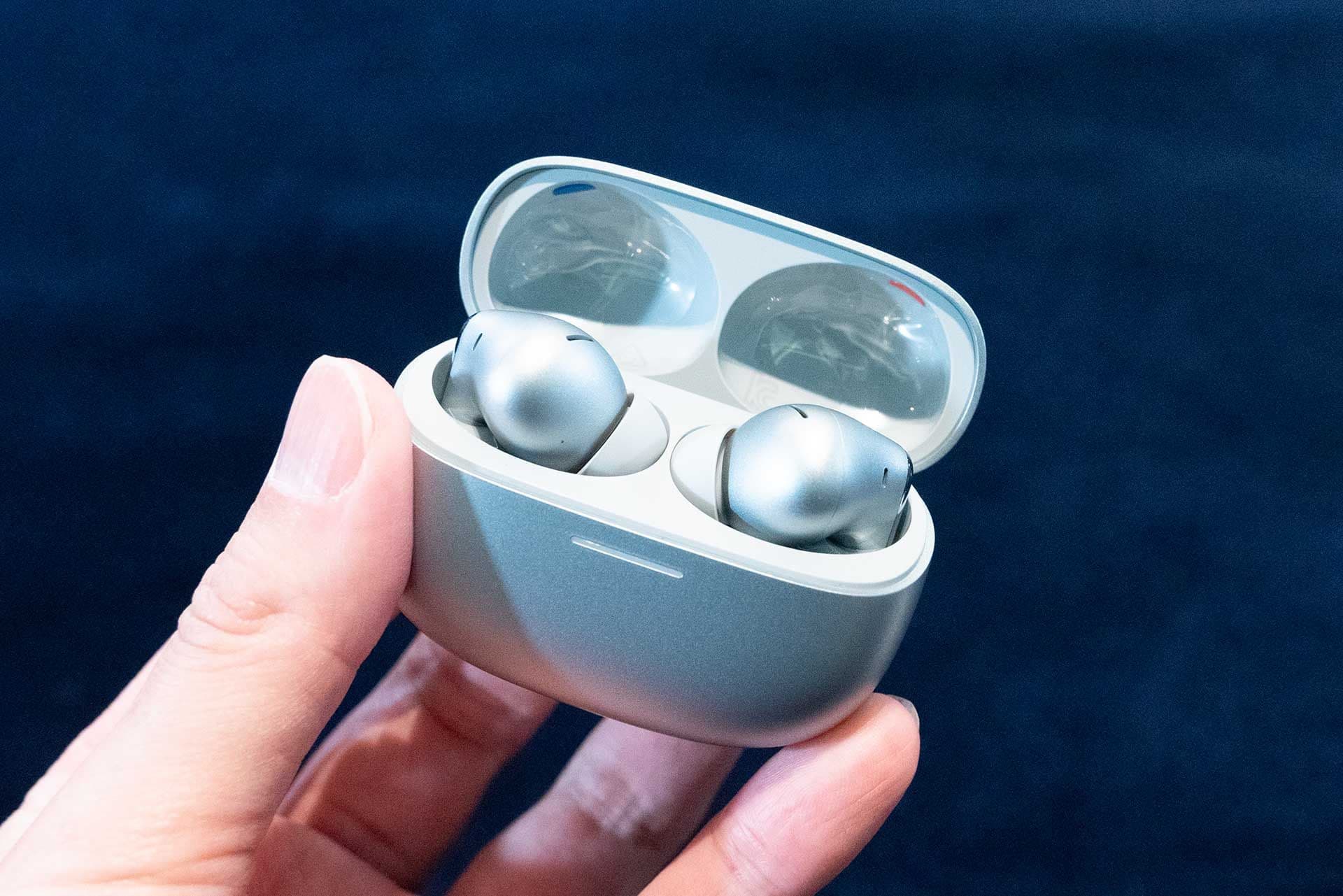
* Xiaomi Japan launched the REDMI Buds 8 Pro on February 24, priced around ¥9,980, with an early-bird discount of ¥8,980 until March 9.

HiFi.De
* ToxFreeLife tested 81 headphone models from brands including Sony, Apple, JBL, Bose, Samsung, and Temu across European retail and online marketplaces.