Get the weekly hi-fi digest — new gear, best reads, and deals.

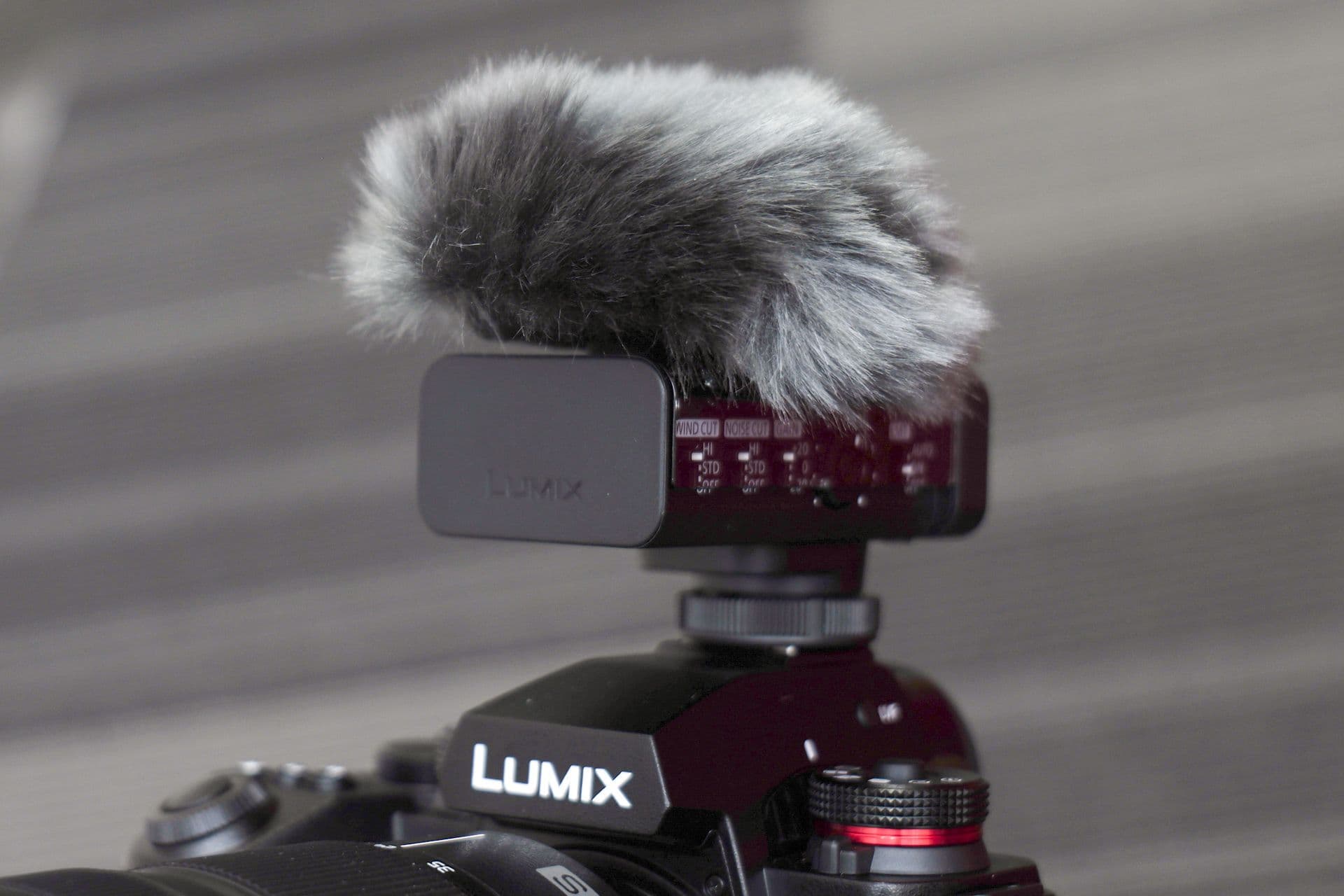
Panasonic launches the LUMIX digital shotgun microphone DMW-DMS1 in mid-March, priced around ¥48,000, designed for hot-shoe, cable-free camera mounting.
The DMW-DMS1 uses four precisely matched 10mm microphone elements, enabling six switchable directional modes including stereo, wide stereo, and front/rear super-directional patterns.
A dedicated rear button with illuminated indicators allows instant directionality switching and three-level brightness adjustment, improving usability and visibility for beginners and professionals alike.
What separates the DMW-DMS1 from the usual on‑camera shotgun is less about headline features and more about execution at the component level. Panasonic’s emphasis on tightly matched 10mm capsules hints at phase coherence being treated as a first‑order design goal rather than an afterthought. In multi-element arrays, even small sensitivity deviations can smear stereo imaging and collapse off‑axis rejection; the company’s insistence on strict element tolerances suggests an attempt to preserve transient snap and stable localization, traits that forum audiophiles often associate with well-matched condenser pairs rather than compact camera mics. The circular array layout also implies more predictable polar behavior when modes are switched digitally, avoiding the “EQ-like” artifacts that plague cheaper pattern‑shifting designs.
Mechanically, the microphone section is decoupled from the body via a floating shock mount, a detail that tends to matter more in real-world handheld or rigged shooting than raw frequency response charts. Structure‑borne noise—lens motors, operator movement, or even hot‑shoe resonance—often lives in the low‑mid band where dialogue intelligibility suffers most. By addressing this acoustically instead of relying solely on post-processing, Panasonic appears to be targeting cleaner source capture. The bundled windscreen and the newly developed wind noise suppression approach further reinforce this philosophy: rather than aggressively compressing or gating, the system leverages the extended headroom of float-domain processing to attenuate turbulence without flattening dynamics, a balance that location recordists usually chase with external recorders.
Another quietly significant aspect is the inclusion of backup recording strategies within a camera-mounted microphone. Allocating additional channels as safety tracks aligns the DMW-DMS1 more with field recorders than traditional hot‑shoe accessories, reducing the risk of irreversible clipping or missed ambience. Combined with compact dimensions and low mass, the design reads as a convergence device—less about replacing dedicated audio gear, more about narrowing the gap between “good enough” camera audio and disciplined location recording. From an audiophile perspective, it’s a rare case where digital convenience doesn’t automatically signal compromised fundamentals.
New gear, best reads, and deals — every Friday.

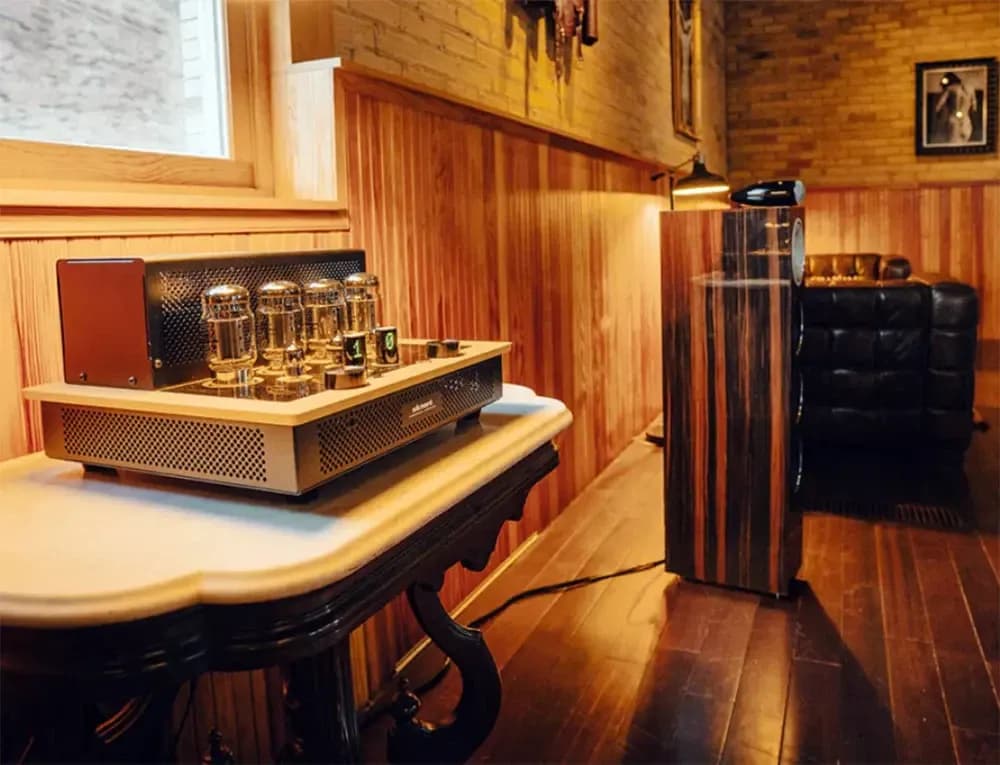
* Audio Research I/55 is a compact tube integrated amplifier derived from I/70, succeeding I/50, targeting high-end listeners seeking classic tube sound with m…

T3 Audio
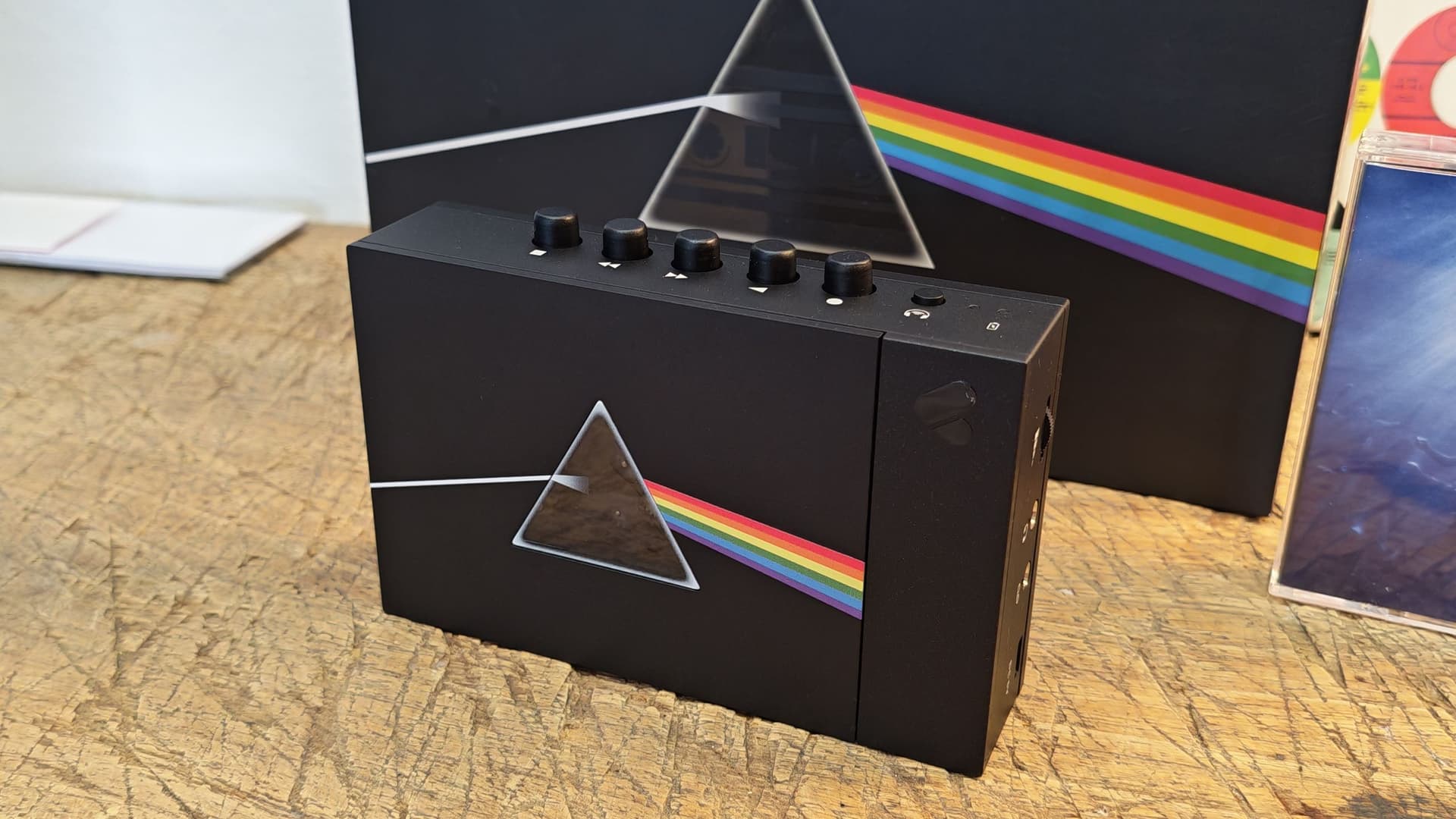
* We Are Rewind announces a limited edition cassette player celebrating Pink Floyd, featuring the iconic Dark Side of the Moon prism artwork on the device.

* ToxFreeLife tested 81 headphone models from brands including Sony, Apple, JBL, Bose, Samsung, and Temu across European retail and online marketplaces.

* Xiaomi Japan launched the REDMI Buds 8 Pro on February 24, priced around ¥9,980, with an early-bird discount of ¥8,980 until March 9.