Get the weekly hi-fi digest — new gear, best reads, and deals.

Panasonic Entertainment & Communication announced a comprehensive partnership with China’s Shenzhen Skyworth Display Technology to lead Panasonic TV sales, marketing, and logistics across Europe.
Skyworth will manage European distribution while leveraging its global-scale manufacturing capacity and speed, paired with Panasonic’s AV processing, quality control, and service standards.
The companies will jointly develop top-end OLED television models, with Panasonic providing expertise to maintain high audiovisual benchmarks and rigorous quality assurance.
From a technical standpoint, the interesting subtext is how responsibilities are likely to split at the silicon and panel-stack level. Panasonic’s recent OLED flagships have leaned heavily on in-house video processing—particularly tone-mapping tuned for reference-grade EOTF tracking, near-black handling, and motion interpolation that favors film cadence over retail-floor punch. If that DNA is preserved, the jointly developed OLED sets will probably continue to prioritize precise gradation control and conservative peak luminance behavior rather than chasing headline nit numbers. Skyworth’s contribution, by contrast, points toward faster iteration cycles in panel integration, SoC sourcing, and chassis platforms, potentially shortening the time between panel-generation availability and finished European models.

Industry observers read the partnership in two ways. One camp views it as a pragmatic response to the economics of large-format OLED production, where logistics optimization and scale directly affect bill of materials and retail viability. Another angle focuses on risk: maintaining Panasonic’s historically strict tolerances for uniformity, thermal management, and long-term stability when manufacturing is decoupled from its traditional pipeline. For enthusiasts accustomed to Panasonic sets behaving almost like studio monitors—with restrained factory presets and predictable calibration curves—the real test will be whether joint development can preserve those traits while adopting Skyworth’s faster manufacturing tempo.
The reintegration of the entertainment business into Panasonic Corporation adds another layer. Technically, it suggests tighter alignment between TV development and the company’s broader imaging and audio ecosystems, including shared DSP philosophies and HDMI signal-path decisions that affect lip-sync accuracy and multichannel passthrough behavior. Rather than a retreat from premium television engineering, the move reads as an attempt to protect core AV know-how while outsourcing the less romantic but crucial mechanics of scale, a balance that could determine whether future OLED models feel like true Panasonic displays—or merely well-tuned derivatives.
New gear, best reads, and deals — every Friday.

* Queen will release a 5CD+2LP super deluxe Queen II box set on 27 March 2026 via EMI, expanding the original 1974 album extensively.

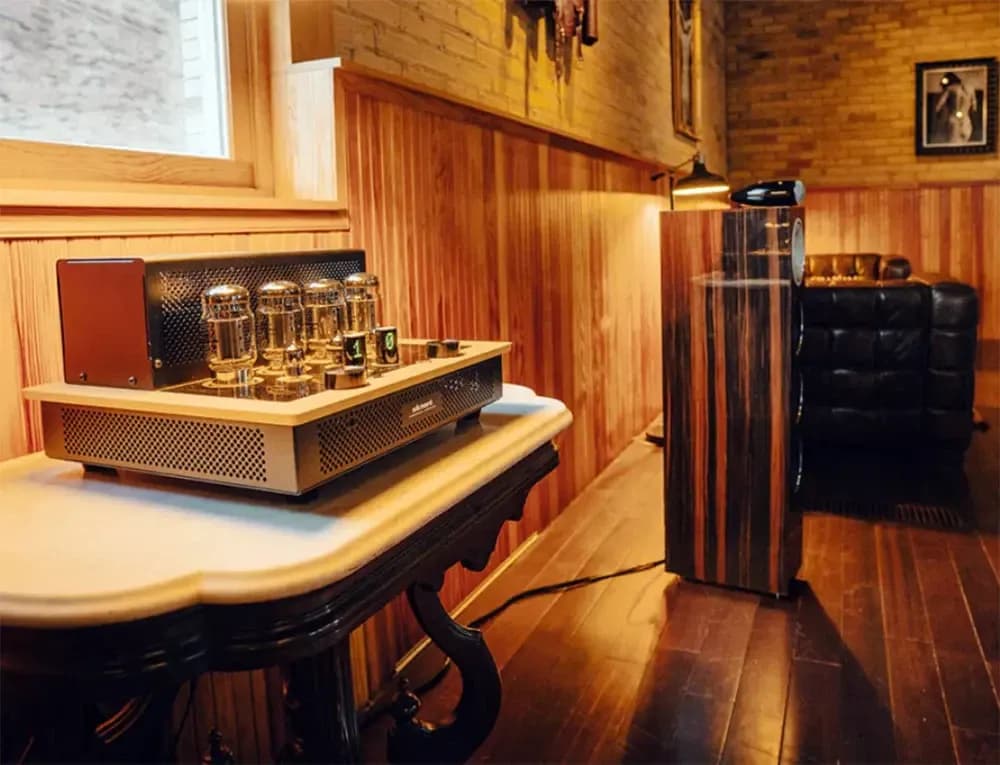
* Audio Research I/55 is a compact tube integrated amplifier derived from I/70, succeeding I/50, targeting high-end listeners seeking classic tube sound with m…

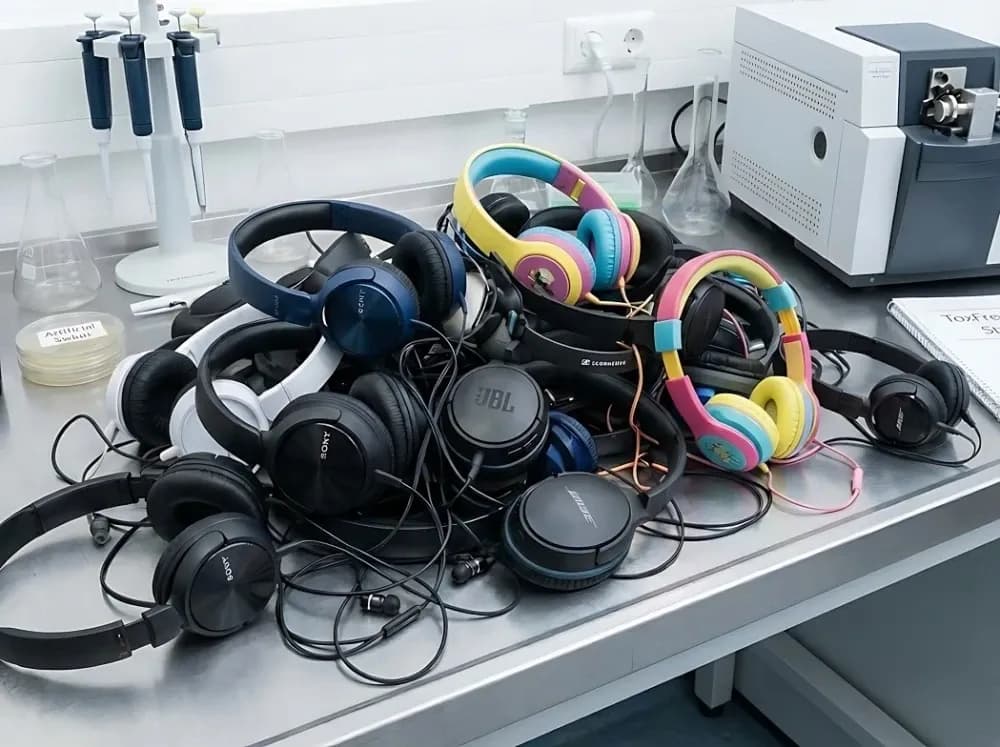
* ToxFreeLife tested 81 headphone models from brands including Sony, Apple, JBL, Bose, Samsung, and Temu across European retail and online marketplaces.

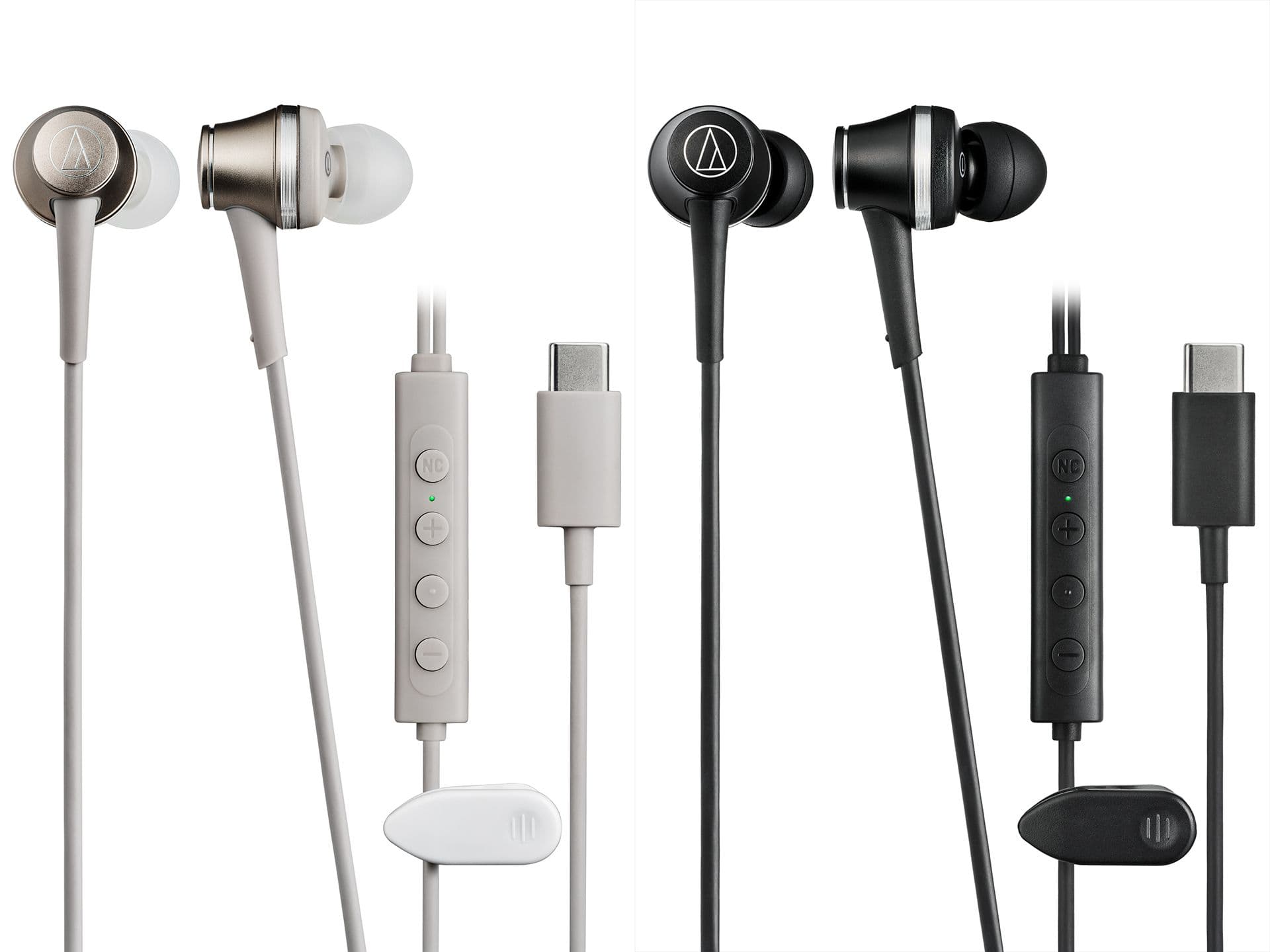
* Audio-Technica launches the ATH-CKD7NC USB-C wired earphones on February 27, featuring hybrid noise cancelling and priced at ¥9,680 via direct sales.