Get the weekly hi-fi digest — new gear, best reads, and deals.

"Audio enclaves" create personal sound bubbles using nonlinear ultrasonics for private listening without headphones.
Ultrasonic transducers generate audible sound only within a localized zone, ensuring anti-eavesdropping security.
Acoustic metasurfaces precisely manipulate sound waves to focus audio exclusively on the intended listener.
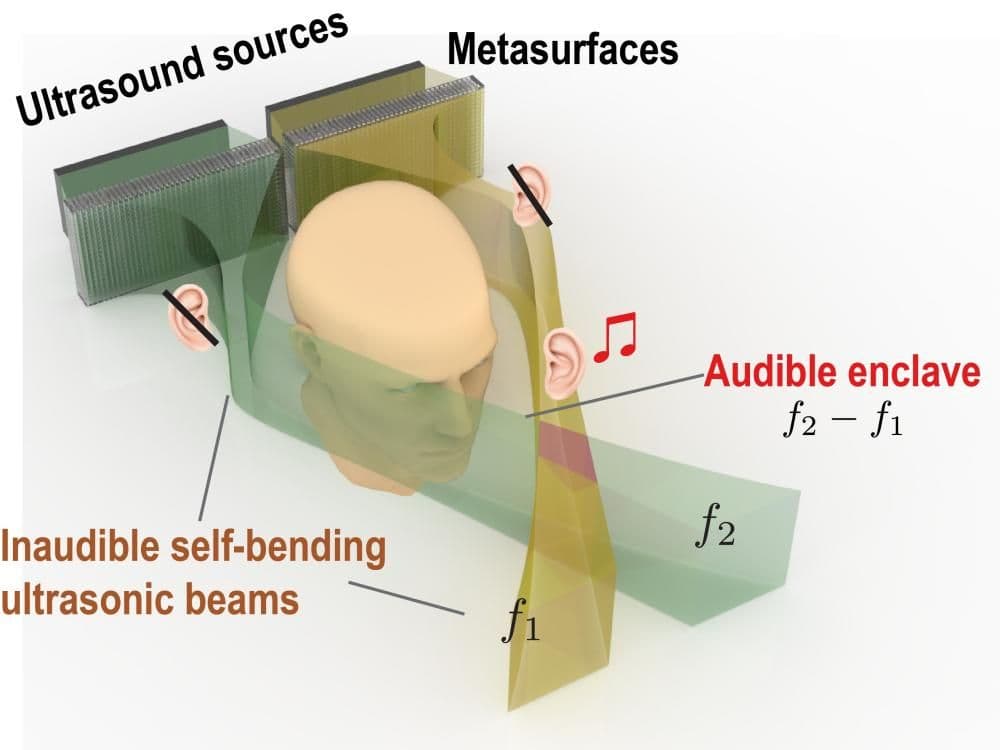
Researchers at Pennsylvania State University and Lawrence Livermore National Laboratory have unveiled a groundbreaking technology aimed at creating invisible headphones with robust anti-eavesdropping capabilities. This innovative approach, termed "audio enclaves," establishes a confined sound zone that remains impervious to external listening attempts. By leveraging the principles of nonlinear ultrasonics, the technology promises private audio experiences without the need for traditional headphones.

The core of the audio enclave technology lies in the use of two ultrasonic transducers operating at slightly different frequencies—40 kHz and 39.5 kHz. Individually, these ultrasonic waves are inaudible to the human ear. However, when they intersect, they generate a perceivable sound at 500 Hz due to the difference in their frequencies. This phenomenon creates a localized auditory zone where the sound is audible only to someone positioned precisely within this area, effectively forming a personal sound bubble.
Technical advancements in the form of acoustic metasurfaces play a pivotal role in this development. These metasurfaces act similarly to lenses for sound waves, allowing precise direction and manipulation of the ultrasonic beams. This precision ensures that the audio enclave is tightly focused around the intended listener, minimizing sound leakage and ensuring a high degree of privacy. Additionally, the technology is designed to navigate around obstacles, such as human heads, ensuring consistent sound delivery in dynamic environments.
Currently, the audio enclave operates effectively within a one-meter range at 60 decibels. While these parameters mark significant progress, the research team is actively working on enhancing both the range and volume. The potential applications for this technology are vast, including discreet listening in public spaces, secure transmission of sensitive audio information, and innovative personal audio devices. Although still in its early stages, the promise of this technology suggests that commercial deployment could be achievable within the next few years.
Overall, the development of audio enclaves represents a significant leap forward in personalized audio technology. By combining advanced ultrasonic techniques with precise sound wave manipulation, researchers have paved the way for a future where high-quality, private listening experiences are seamlessly integrated into everyday life.
New gear, best reads, and deals — every Friday.

* Queen will release a 5CD+2LP super deluxe Queen II box set on 27 March 2026 via EMI, expanding the original 1974 album extensively.

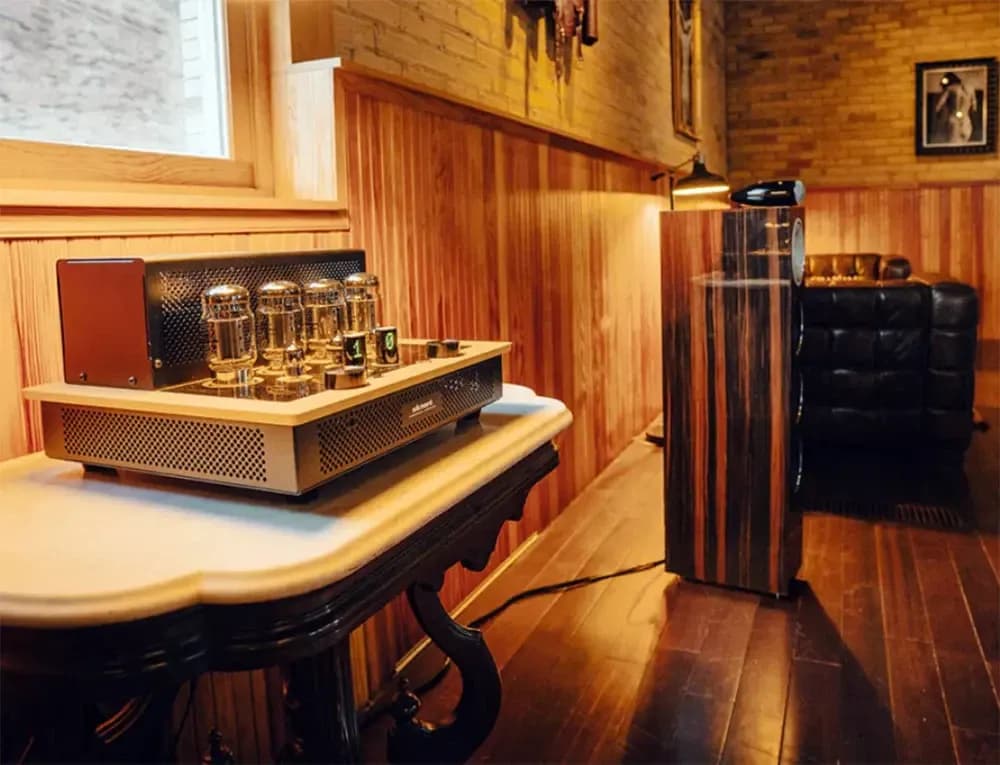
* Audio Research I/55 is a compact tube integrated amplifier derived from I/70, succeeding I/50, targeting high-end listeners seeking classic tube sound with m…

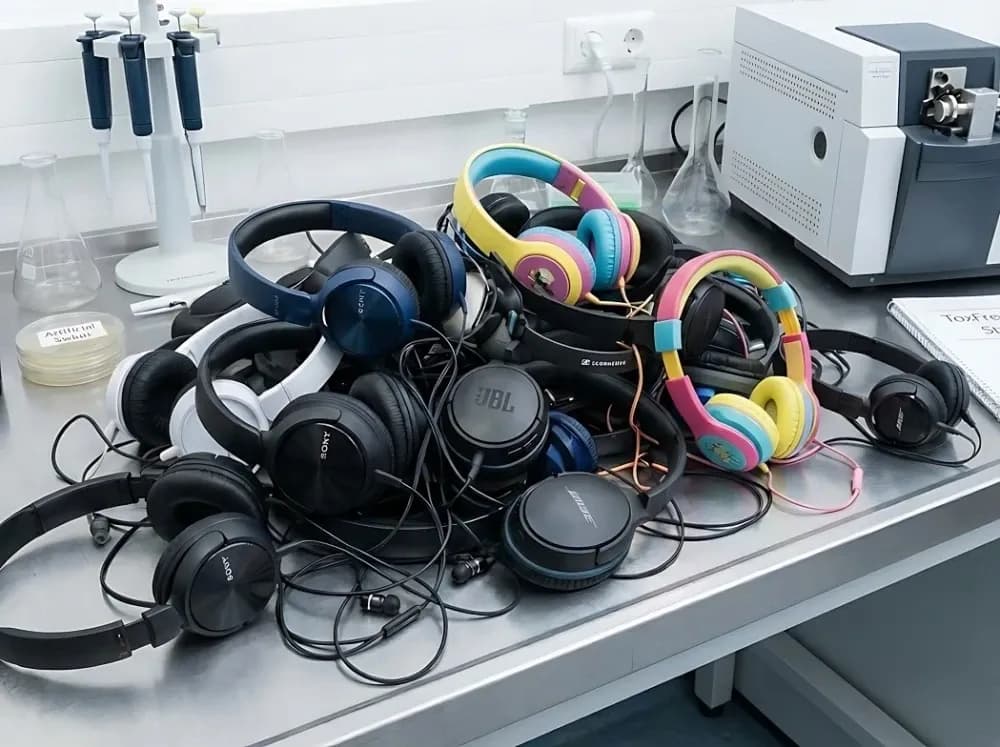
* ToxFreeLife tested 81 headphone models from brands including Sony, Apple, JBL, Bose, Samsung, and Temu across European retail and online marketplaces.

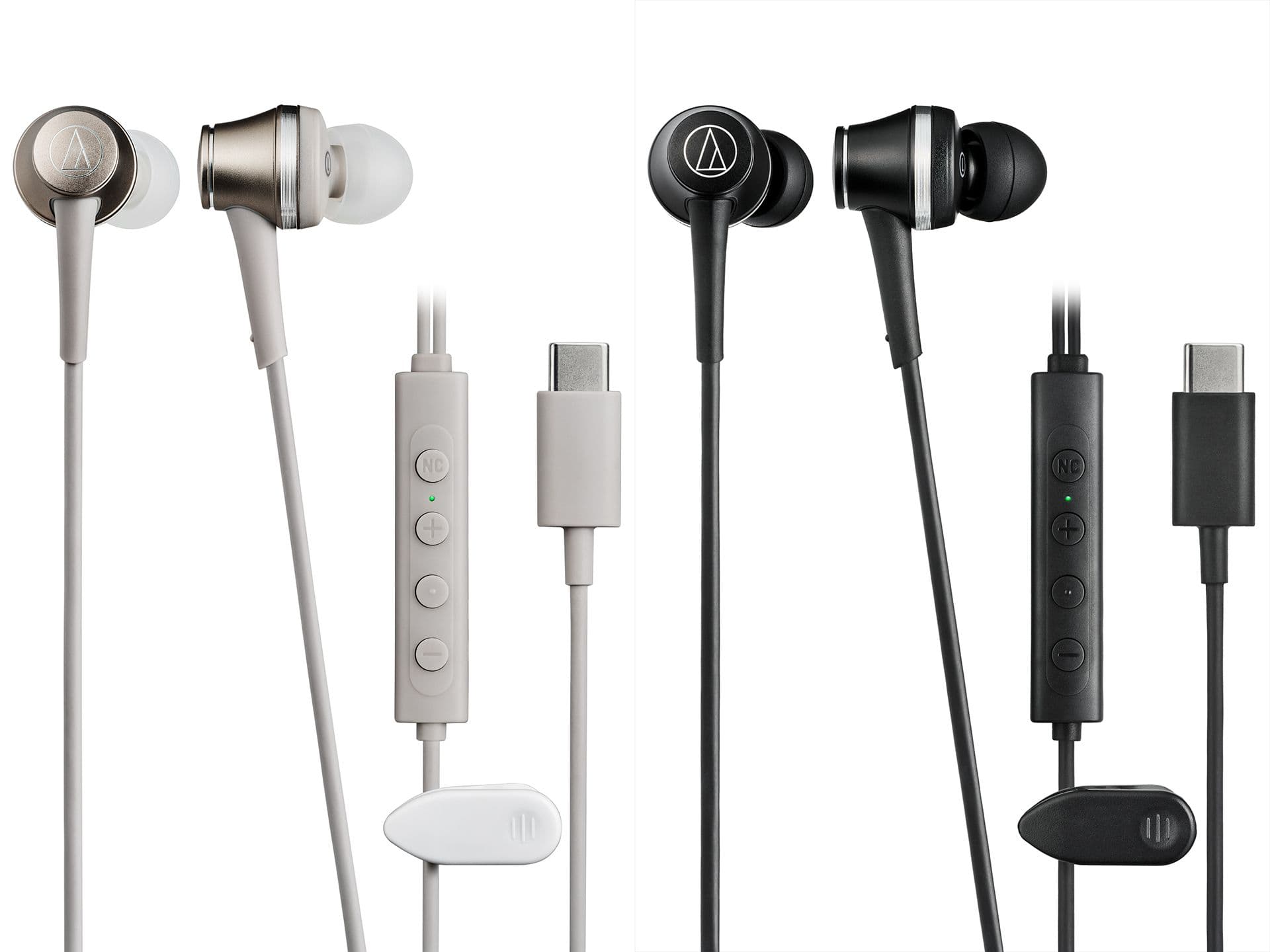
* Audio-Technica launches the ATH-CKD7NC USB-C wired earphones on February 27, featuring hybrid noise cancelling and priced at ¥9,680 via direct sales.