Get the weekly hi-fi digest — new gear, best reads, and deals.

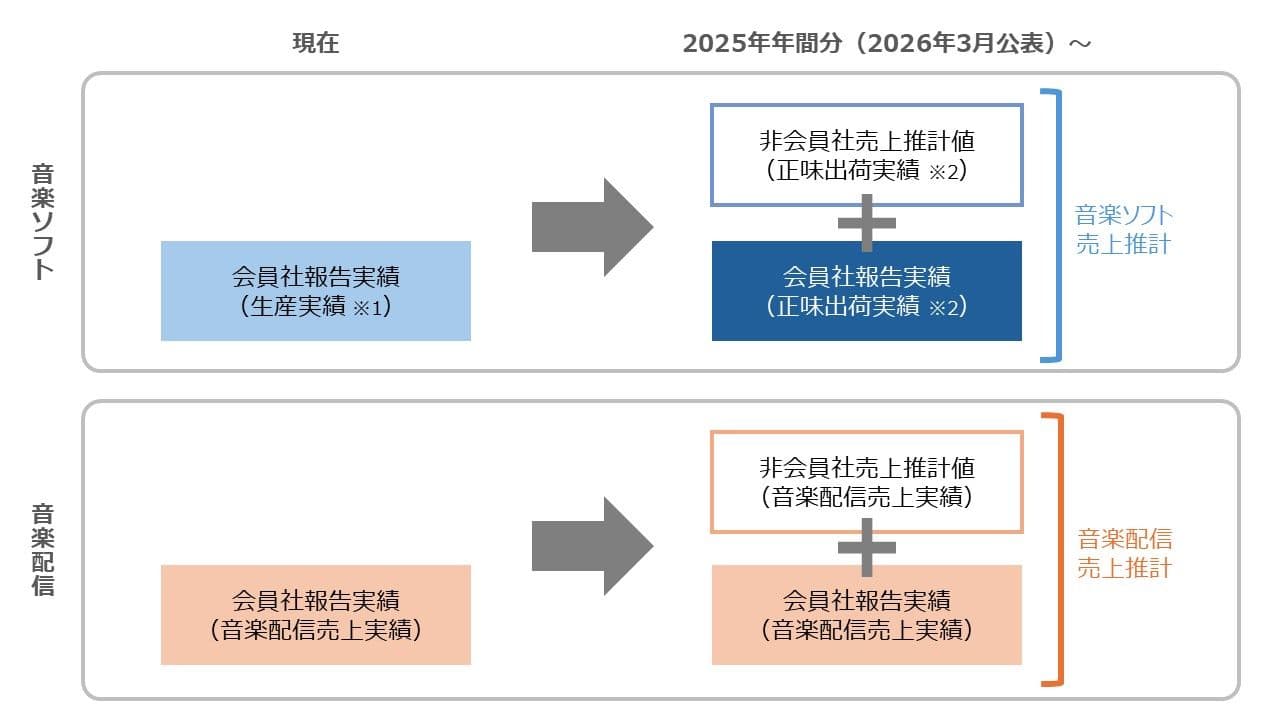
The Recording Industry Association of Japan will publish a new “Music Software and Music Distribution Sales Estimate” to comprehensively capture the entire domestic record market.
Unlike existing production and distribution statistics limited to member companies, the new estimate includes non-member sales calculated using member market share ratios.
This methodology aims to provide a unified market indicator covering physical media and digital distribution across Japan’s full music industry.
Beyond the headline numbers, the interesting part of this new estimate is how it re-frames long-standing Japanese metrics like “production results” and “net shipments,” which have traditionally been treated almost like gospel in industry discussions. Production figures track what member companies press or manufacture—CDs, vinyl, DVDs, Blu-rays—while net shipments reflect what actually leaves warehouses after returns are deducted. For years, audiophile circles have noted the gap between these datasets and real-world listening behavior, especially as small indie labels and digital-only operators fell outside the association’s reporting scope. By extrapolating non-member activity using member market-share ratios, the new estimate effectively applies a system-level correction, similar to noise shaping in digital audio: it doesn’t change the signal source, but it redistributes error in a way that better reflects the whole waveform of the market.

There is also a technical implication for how physical and digital formats are weighted. Production statistics tend to emphasize unit counts and factory value, which flatter physical media like vinyl—often cited as “growing” based on press volume alone—while underplaying revenue density from high-ARPU digital streams and downloads. The unified estimate shifts the discussion toward value-based aggregation across formats, aligning more closely with how engineers and mastering houses think about signal energy rather than raw sample count. From this perspective, the methodology quietly challenges the narrative that physical media momentum can be assessed purely through pressing data, suggesting a need to recalibrate assumptions about format health.
Finally, the move toward regular updates introduces a temporal resolution that Japan’s market data has historically lacked. Annual production figures are effectively long-exposure photographs; they smooth out short-term dynamics like catalog revivals, viral back-catalog streams, or sudden vinyl reissues driven by overseas demand. A rolling estimate updated at shorter intervals behaves more like a higher sample-rate capture of the market, revealing transients that were previously blurred. For industry observers—and hi-fi enthusiasts tracking the economic underpinnings of the formats they care about—this could become a far more usable reference signal than the legacy stats ever were.
New gear, best reads, and deals — every Friday.

* Audio Research I/55 is a compact tube integrated amplifier derived from I/70, succeeding I/50, targeting high-end listeners seeking classic tube sound with m…

T3 Audio
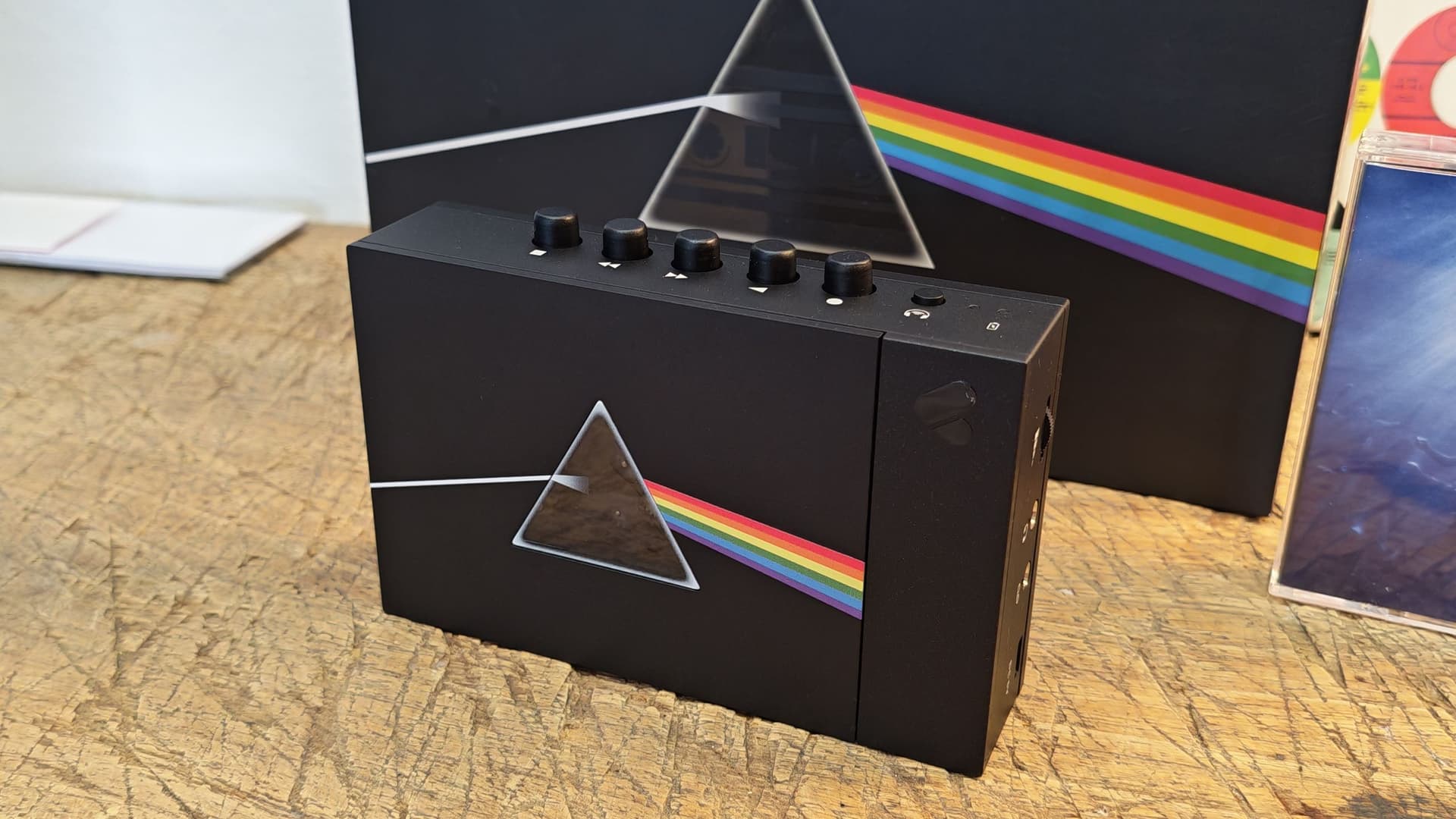
* We Are Rewind announces a limited edition cassette player celebrating Pink Floyd, featuring the iconic Dark Side of the Moon prism artwork on the device.

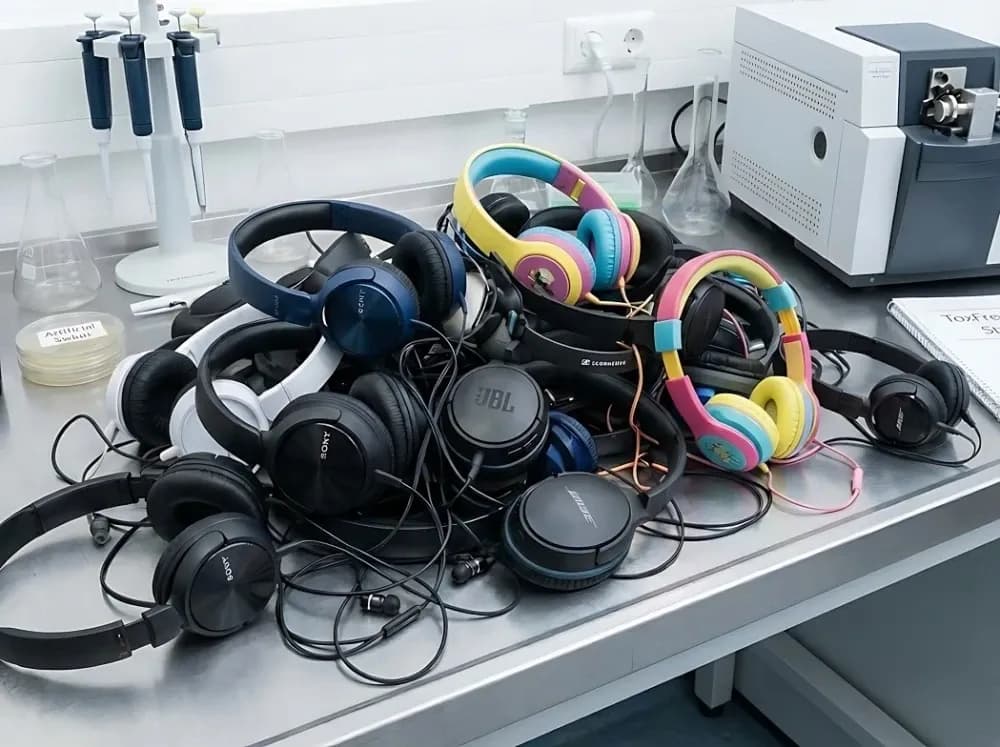
* ToxFreeLife tested 81 headphone models from brands including Sony, Apple, JBL, Bose, Samsung, and Temu across European retail and online marketplaces.

* Xiaomi Japan launched the REDMI Buds 8 Pro on February 24, priced around ¥9,980, with an early-bird discount of ¥8,980 until March 9.