Get the weekly hi-fi digest — new gear, best reads, and deals.

Sennheiser RS 275 TV Listening Bundle targets TV dialogue clarity and private listening, pairing HDR 275 wireless headphones with BTA1 transmitter for lip-sync-free audio.
Auracast transmission with LC3 codec delivers ultra-low latency, stable connections up to 50 meters, plus Bluetooth 5.4 multipoint and intelligent source switching.
HDR 275 over-ear headphones feature 37 mm dynamic drivers, 6 Hz–22 kHz response, 106 dB max output, replaceable battery, and up to 50 hours playtime.
What makes the RS 275 bundle technically interesting is how deliberately Sennheiser treats TV listening as a signal-chain problem rather than a lifestyle accessory. Earlier RS-series models relied on proprietary RF links; here, the move to Auracast with LC3 reframes the system as a low-latency broadcast layer that happens to be Bluetooth-based. Compared to classic SBC or even aptX implementations often found in TVs, LC3’s efficiency at lower bitrates allows tighter buffering and more predictable timing, which is ultimately what keeps dialogue anchored to the image. Some sources frame this as “future-proofing,” while others point out the more immediate benefit: a transmitter that behaves more like a deterministic audio interface than consumer Bluetooth, especially when HDMI ARC introduces its own clocking and delay variables.

The HDR 275 headphones themselves sit in an interesting middle ground between audiophile voicing and assistive listening. The 37 mm dynamic drivers are not about maximum slam but about maintaining low distortion in the vocal band, which explains the unusually low THD figure at relatively high SPL. Passive isolation and damping do much of the work here, avoiding the phase artifacts that ANC can introduce into speech intelligibility. Compared to mainstream wireless cans tuned for streaming music, the RS 275’s acoustic priorities lean toward midrange coherence and controlled bass decay—traits that forum regulars often associate with “broadcast monitor” tuning rather than hi-fi exuberance.
Where opinions diverge across sources is the role of the BTA1 transmitter. Some view it simply as a connectivity hub, but its real value lies in acting as an audio traffic controller. By handling input selection, delay compensation, and optional processing upstream, it offloads complexity from the headphones and keeps the wireless link clean. The ability to expose Auracast parameters and speech-focused processing at the transmitter level suggests Sennheiser sees shared TV audio evolving toward a more modular ecosystem—one where headphones, hearing devices, and even speakers coexist on the same broadcast without compromising timing or clarity. For a living-room product, that’s a surprisingly system-level way of thinking.
New gear, best reads, and deals — every Friday.

* Queen will release a 5CD+2LP super deluxe Queen II box set on 27 March 2026 via EMI, expanding the original 1974 album extensively.

* Audio Research I/55 is a compact tube integrated amplifier derived from I/70, succeeding I/50, targeting high-end listeners seeking classic tube sound with m…

* ToxFreeLife tested 81 headphone models from brands including Sony, Apple, JBL, Bose, Samsung, and Temu across European retail and online marketplaces.

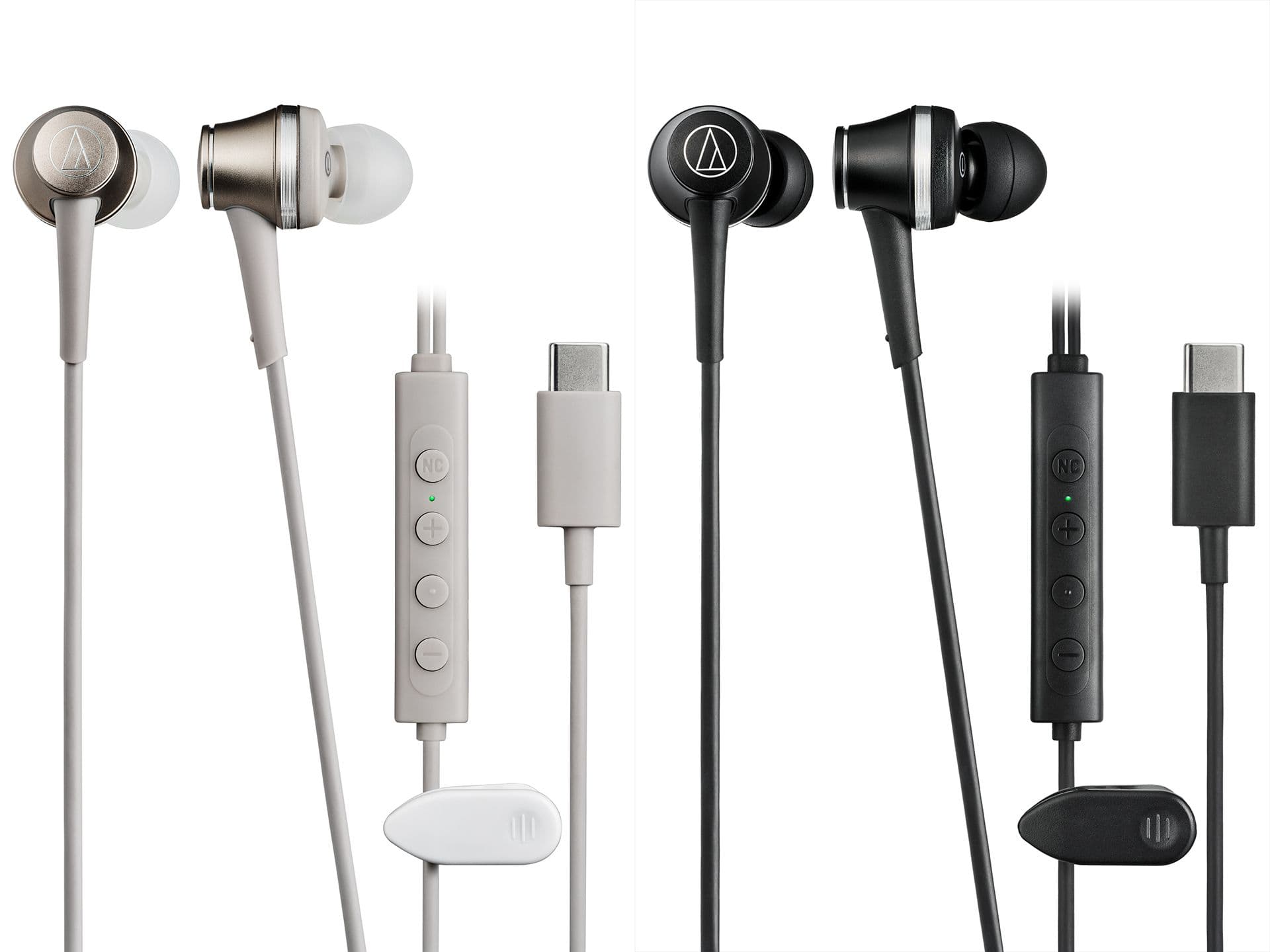
* Audio-Technica launches the ATH-CKD7NC USB-C wired earphones on February 27, featuring hybrid noise cancelling and priced at ¥9,680 via direct sales.