Get the weekly hi-fi digest — new gear, best reads, and deals.

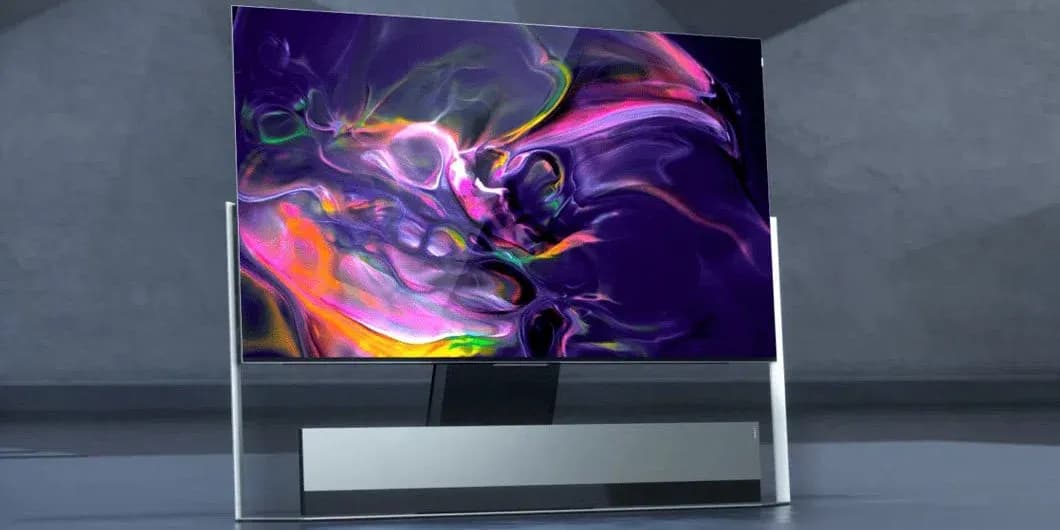
TCL surpasses LG to rank second in the global premium TV market, with a 20% share driven by demand for Mini-LED technology.
Samsung remains the leader at 29% market share but faces declining dominance amid growing competition from Chinese brands.
Mini-LED TVs offer a cost-effective alternative to OLED, with improved brightness and local dimming capabilities fueling market growth.
In the global premium TV market, TCL has surpassed LG to secure the second position, trailing only behind Samsung. According to Counterpoint Research, TCL now commands approximately 20% of the market share for premium televisions in the fourth quarter of 2024, a significant increase from its previous 12%. This shift highlights TCL’s successful penetration into the high-end segment, primarily driven by the rising demand for LCD TVs equipped with Mini-LED backlighting technology.
Samsung maintains its dominance with a robust 29% market share, although this marks a decrease from 41% at the end of 2023. The decline underscores the increasing competition within the sector, particularly from Chinese manufacturers like TCL and Hisense, who have been capitalizing on advancements in Mini-LED technology. This technology offers enhanced brightness and improved local dimming capabilities, making it a compelling alternative to OLED for consumers seeking high performance at a more accessible price point.
Despite TCL’s current success, future market dynamics remain uncertain. The introduction of new tariffs by the United States on Chinese products could potentially elevate prices for TCL’s offerings, possibly hindering their sales momentum. Additionally, while TCL aims to expand its presence in the OLED segment, industry leaders such as LG and Samsung continue to lead with more advanced OLED technologies. LG Display’s upcoming RGB-Tandem panels and Samsung’s QD-OLEDs capable of reaching up to 4,000 nits demonstrate the technological edge that these established brands maintain.
The surge in Mini-LED TV shipments, which have grown by 170% year-on-year, reflects a broader trend towards higher-resolution displays in the premium market. Although OLED TVs still offer superior pixel-level dimming and perfect black reproduction due to their self-emissive pixels, Mini-LED’s cost-effectiveness and improving performance have made it a strong contender. This technological evolution is reshaping consumer preferences, as the balance between price and performance becomes increasingly favorable for Mini-LED options.
Looking ahead to 2025, the premium TV market faces potential challenges from ongoing international trade tensions and global conflicts. These factors could influence supply chains and pricing structures, impacting the competitive landscape. As manufacturers continue to innovate and adapt, the future of the smart TV market will likely be defined by how well companies can navigate these complexities while meeting the evolving demands of discerning consumers.
New gear, best reads, and deals — every Friday.

* Queen will release a 5CD+2LP super deluxe Queen II box set on 27 March 2026 via EMI, expanding the original 1974 album extensively.

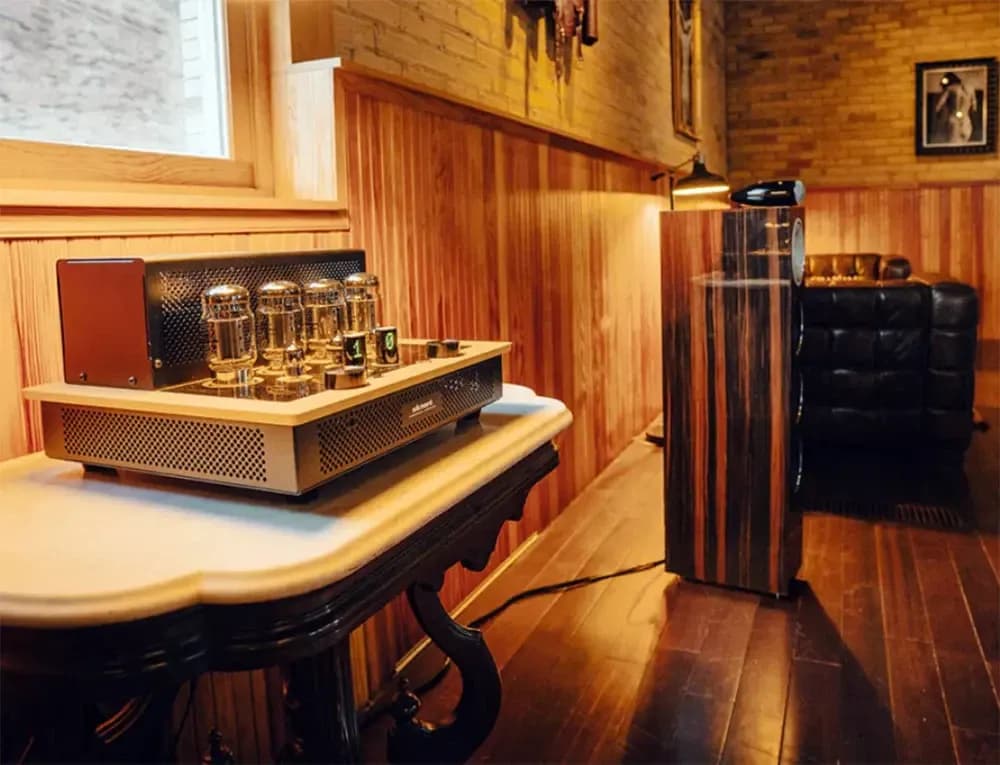
* Audio Research I/55 is a compact tube integrated amplifier derived from I/70, succeeding I/50, targeting high-end listeners seeking classic tube sound with m…

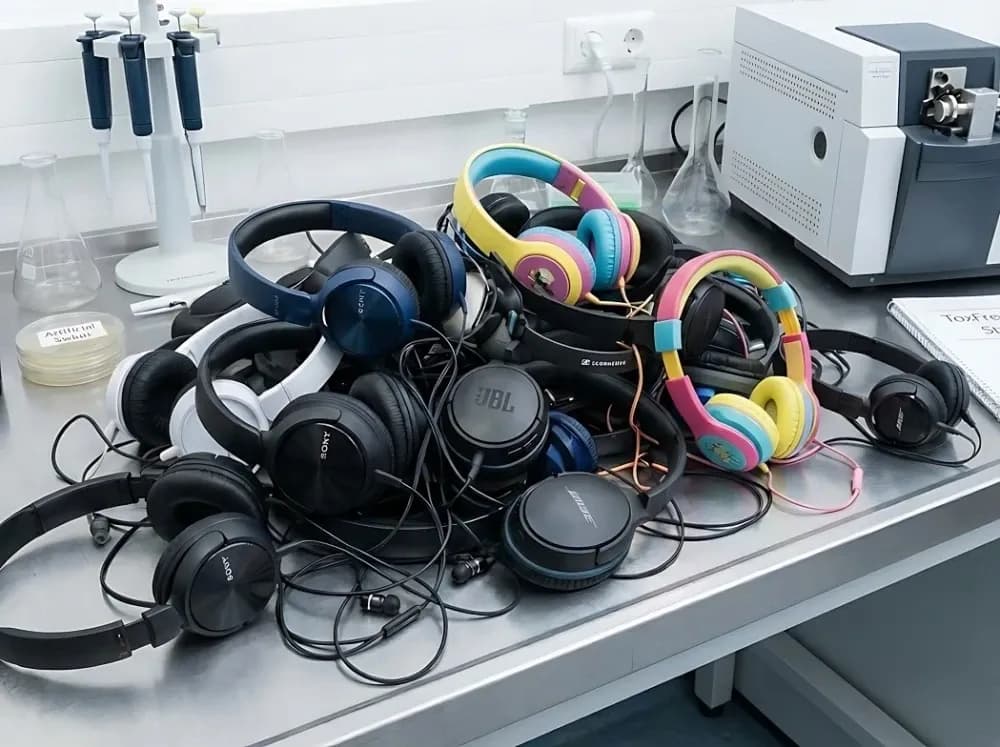
* ToxFreeLife tested 81 headphone models from brands including Sony, Apple, JBL, Bose, Samsung, and Temu across European retail and online marketplaces.

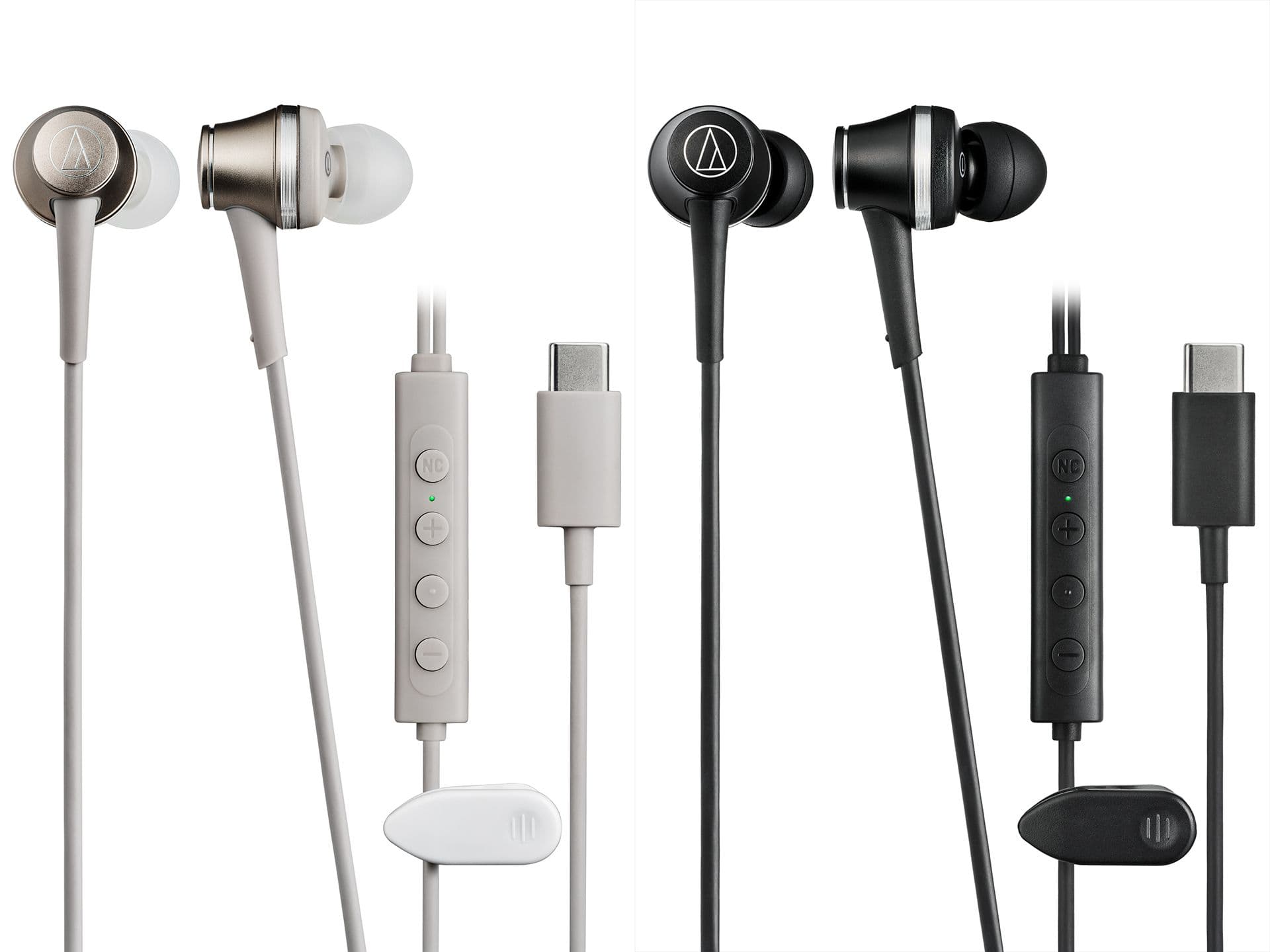
* Audio-Technica launches the ATH-CKD7NC USB-C wired earphones on February 27, featuring hybrid noise cancelling and priced at ¥9,680 via direct sales.