Get the weekly hi-fi digest — new gear, best reads, and deals.

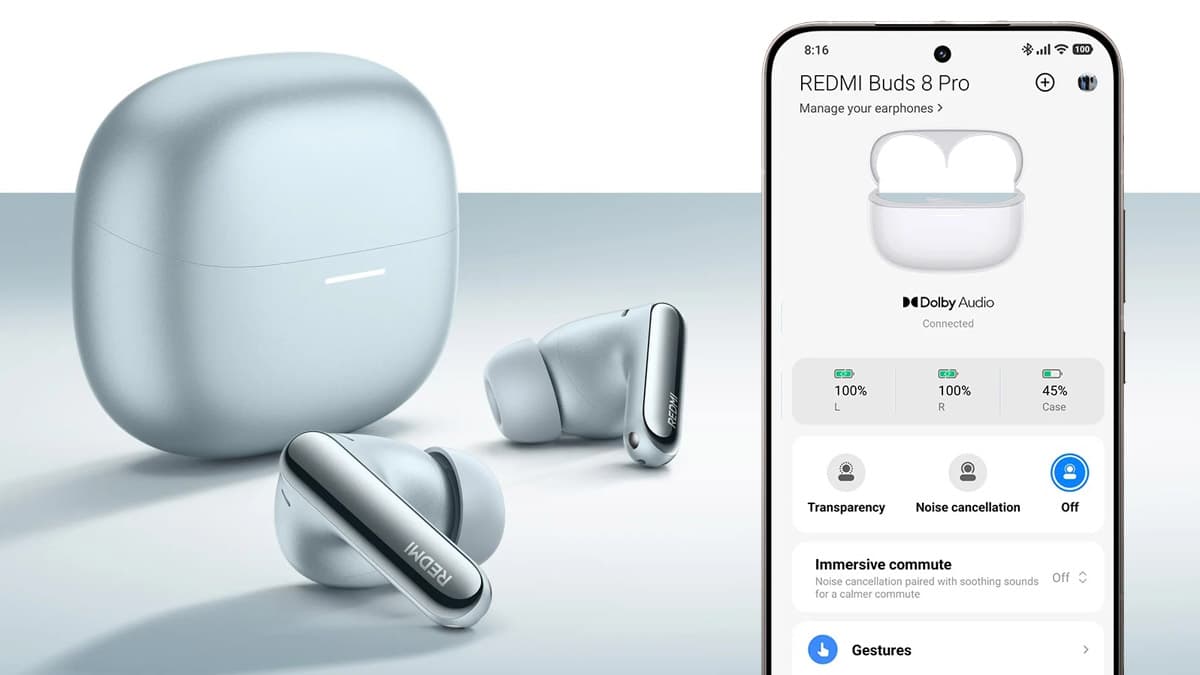
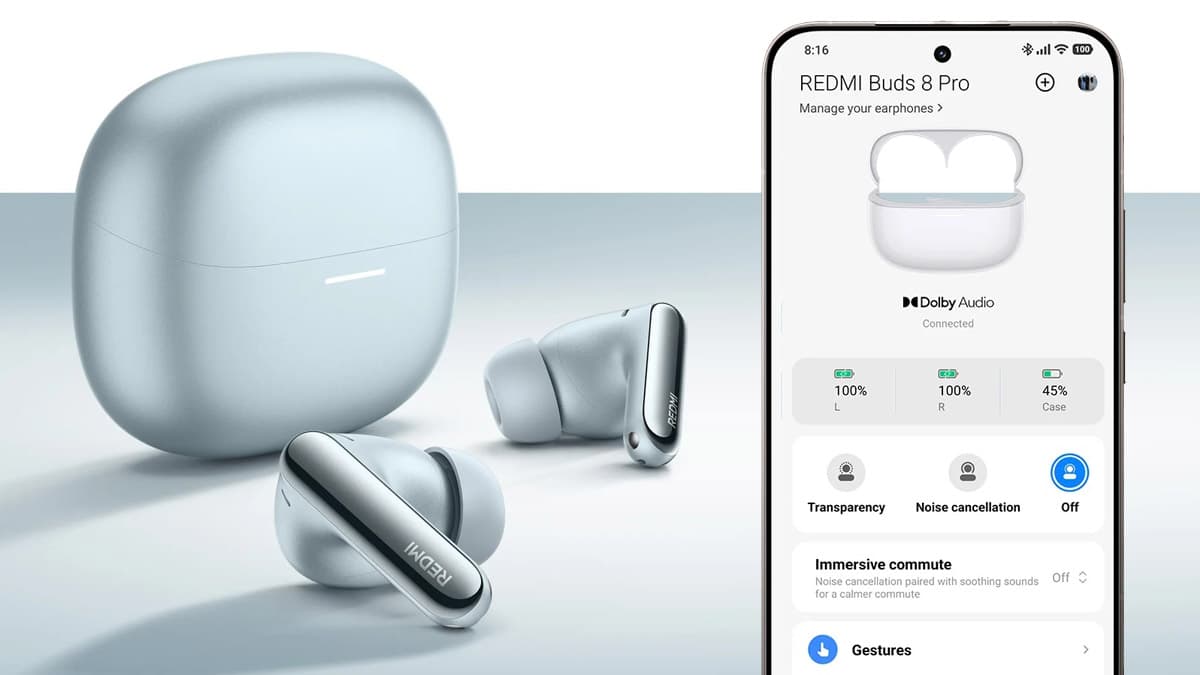
Redmi Buds 8 Pro debuted at MWC 2026 as Xiaomi’s value-focused flagship ANC earbuds, positioned above Buds 8 Active, priced aggressively at €69.99 in Europe.
A new triple-driver coaxial design combines an 11mm titanium dynamic driver, 6.7mm piezo ceramic unit, tuning driver, and dual DACs for Hi-Res Wireless audio.
Smart adaptive ANC reaches up to 55dB with a wider 5kHz cancellation band, including immersive modes optimized for planes, trains, and other noisy environments.
By shifting a coaxial, multi‑motor architecture into the Redmi line, Xiaomi is effectively borrowing from its own higher-tier acoustic playbook while keeping manufacturing complexity under control. A stacked dynamic–piezo arrangement suggests an intent to separate low‑frequency air movement from upper‑band transient detail, reducing intermodulation that often plagues single‑driver budget TWS designs. The inclusion of dedicated digital conversion stages per channel further hints at tighter clocking and lower crosstalk, a choice more commonly associated with premium wireless monitors than mass‑market earbuds. From an audiophile perspective, this reads less like a spec chase and more like an attempt to stabilize timbre across volume levels and ANC states.

Noise control is where sources diverge slightly in emphasis. Some frame the new generation primarily as an incremental upgrade over last year’s Redmi tuning, while others underline a more structural change: a broader attenuation window paired with environment‑specific profiles. That combination implies the ANC algorithm is no longer treating noise as a monolithic low‑frequency problem but addressing higher‑order harmonics typical of transport cabins and dense urban soundscapes. When paired with Xiaomi’s updated voice isolation stack, the buds appear engineered to maintain intelligibility without resorting to aggressive midrange scooping, a flaw that often leaves voices sounding phasey during calls.
Codec strategy also reveals Xiaomi’s broader ecosystem ambitions. Rather than betting on a single “hero” format, the Buds 8 Pro support both open standards and Xiaomi’s in‑house solution, effectively scaling quality based on source capability. This contrasts with last year’s Wi‑Fi‑centric flagship approach and positions the Redmi model as a more universal digital transport, equally comfortable in low‑latency LE Audio scenarios or high‑bitrate streaming. Add spatial processing driven by onboard motion sensing, and the result is a product clearly tuned for video and gaming use cases, yet grounded enough in acoustic fundamentals to remain credible for music‑first listeners.
Newsletter
Get the week's top trending stories, best deals, and new product launches — straight to your inbox.

* TOHO Studios completed Japan’s first post-production studio supporting Dolby Vision, Dolby Atmos, and IMAX 12-channel audio, modernizing dubbing stages and s…

* Redmi Buds 8 Pro debuted at MWC 2026 as Xiaomi’s value-focused flagship ANC earbuds, positioned above Buds 8 Active, priced aggressively at €69.99 in Europe.

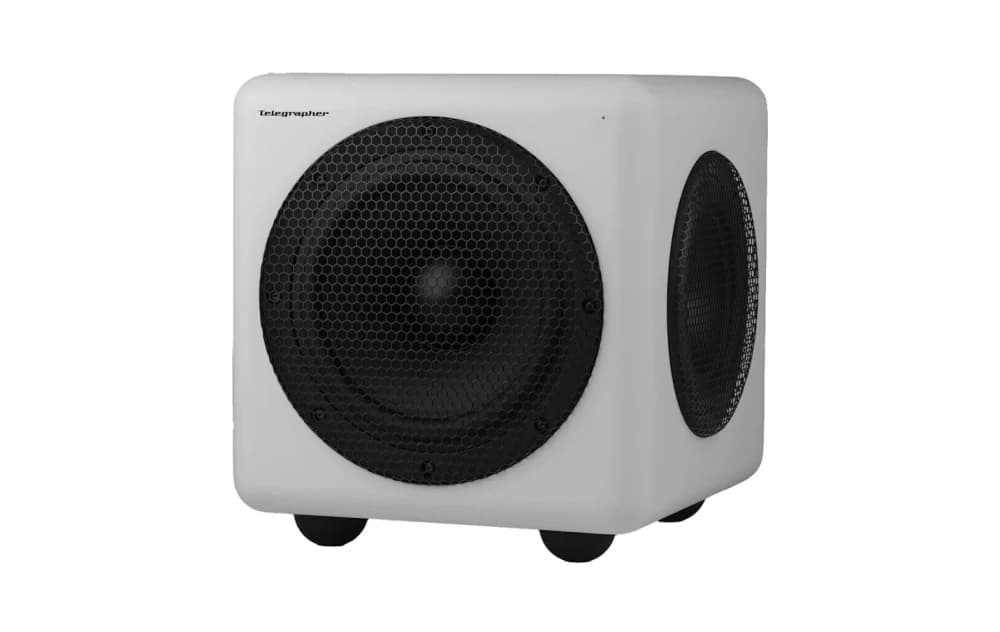
* Telegrapher introduces Hippo, an active analog studio subwoofer designed to complement near- and midfield monitors with precise, controlled sub-bass monitori…

* Motorola unveiled Moto Buds 2 Plus and Moto Buds 2 at MWC 2026, expanding the Moto Things ecosystem with compact Pantone-colored true wireless earbuds.