Get the weekly hi-fi digest — new gear, best reads, and deals.

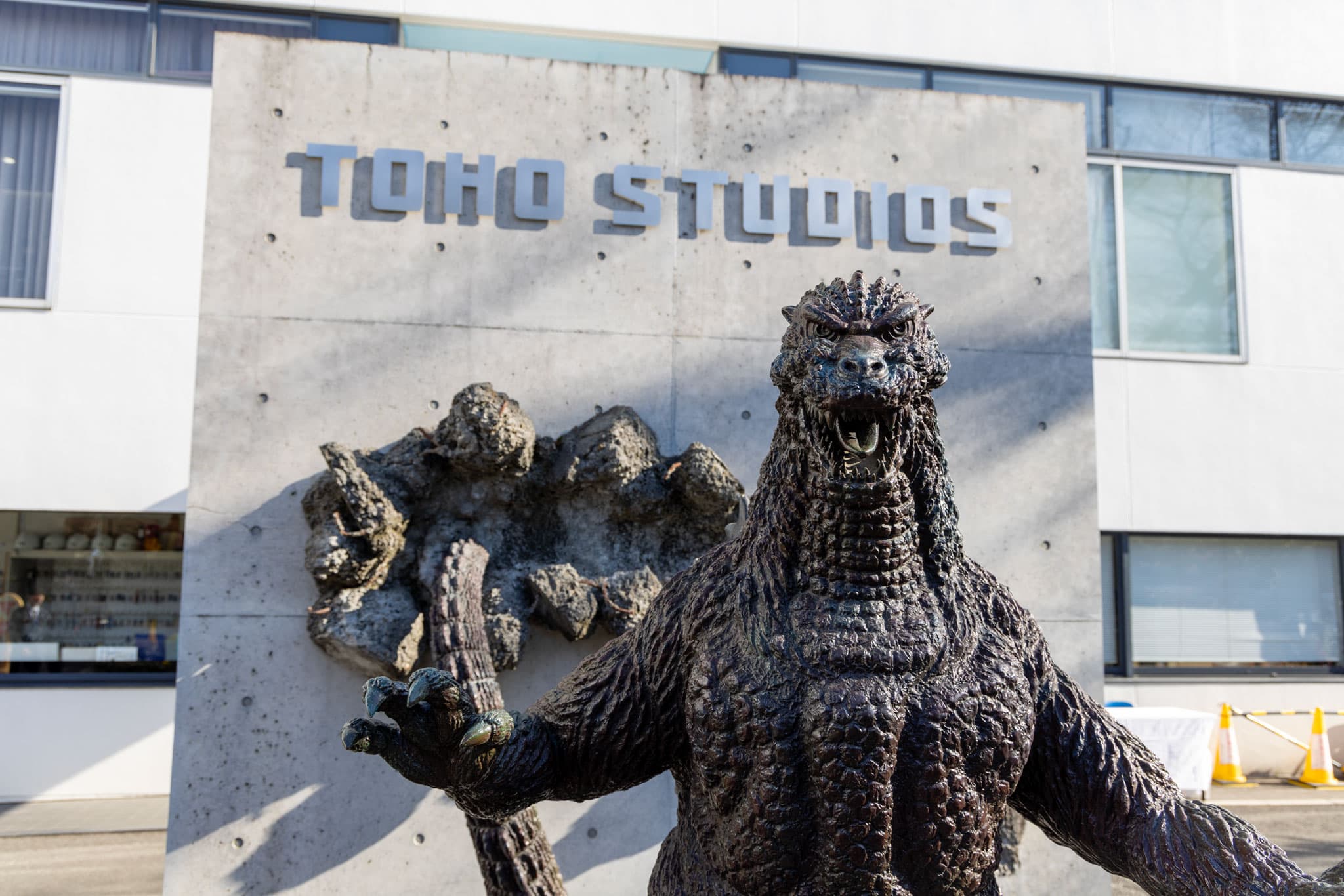
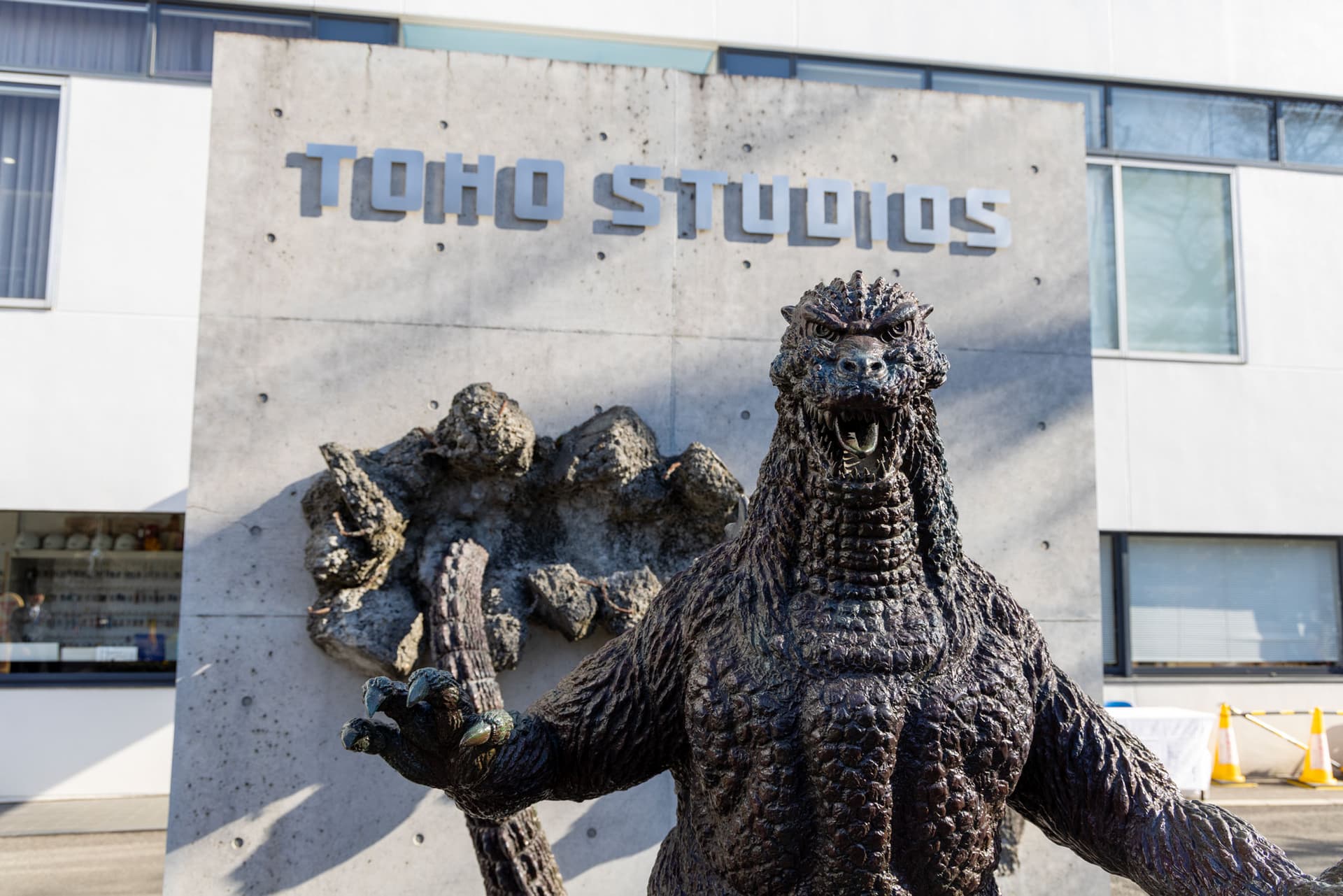
TOHO Studios completed Japan’s first post-production studio supporting Dolby Vision, Dolby Atmos, and IMAX 12-channel audio, modernizing dubbing stages and screening rooms.
The upgrade marks a shift after years of prioritizing theatrical Dolby Cinema infrastructure, aligning production environments with Atmos-capable cinemas and large-format exhibition demand.
Historically, TOHO’s last major audio leap was a 7.1ch Dolby Surround dubbing stage in 2010, designed with Warner Bros. and Charles M. Salter Associates.
What’s more interesting than the ribbon-cutting is how this facility reshapes the signal path of Japanese film sound. For years, domestic productions were forced into a split-brain workflow: object-based mixes authored for home delivery had to be reinterpreted under theatrical constraints, with different monitoring references, bass management, and dialogue anchoring. A modern stage that treats Dolby Vision grading, Atmos panning metadata, and large-format playback as a single, continuous pipeline finally closes that gap. From an audio-engineering standpoint, the key win isn’t volume or spectacle, but translation—object trajectories, divergence control, and height-layer energy now survive the jump from mix room to premium auditorium without being “flattened” by conservative theatrical compromises.
There’s also a philosophical contrast between studios that sprinted ahead of exhibition reality and those that waited for the screens to catch up. Early adopters proved Atmos could be authored domestically, but often did so in isolation from how IMAX-scale rooms actually load the low end or localize overhead motion. TOHO’s slower approach reads less like hesitation and more like systems thinking: align speaker geometry, calibration targets, and monitoring SPL with what large-format cinemas actually deploy. IMAX 12-channel monitoring, in particular, forces mixers to rethink center image stability and side-wall energy, since dialogue intelligibility and lateral movement behave very differently compared to conventional Atmos arrays. This isn’t about “more channels,” but about tighter control of phantom images and reduced smear at high playback levels.
Zooming out, the absence of a clear successor to Atmos has quietly standardized expectations. Instead of format churn, progress now comes from room design, speaker directivity, and how confidently mixers exploit object density without collapsing the soundstage. In that sense, TOHO’s move signals a maturation phase: less about chasing the next logo, more about refining how object-based audio is actually used. For audiophiles used to dissecting mixes on reference systems, this could mean Japanese films that finally sound intentional rather than adapted—soundtracks authored with the same spatial discipline they’re ultimately judged by.
Newsletter
Get the week's top trending stories, best deals, and new product launches — straight to your inbox.

* TOHO Studios completed Japan’s first post-production studio supporting Dolby Vision, Dolby Atmos, and IMAX 12-channel audio, modernizing dubbing stages and s…

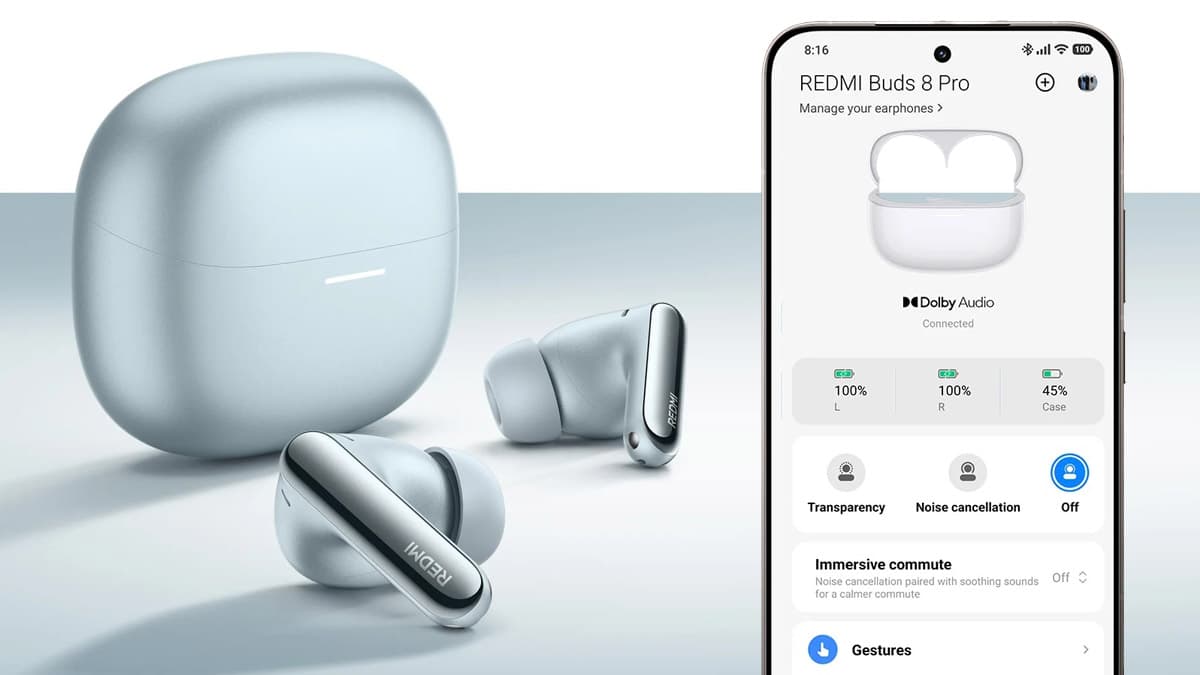
* Redmi Buds 8 Pro debuted at MWC 2026 as Xiaomi’s value-focused flagship ANC earbuds, positioned above Buds 8 Active, priced aggressively at €69.99 in Europe.

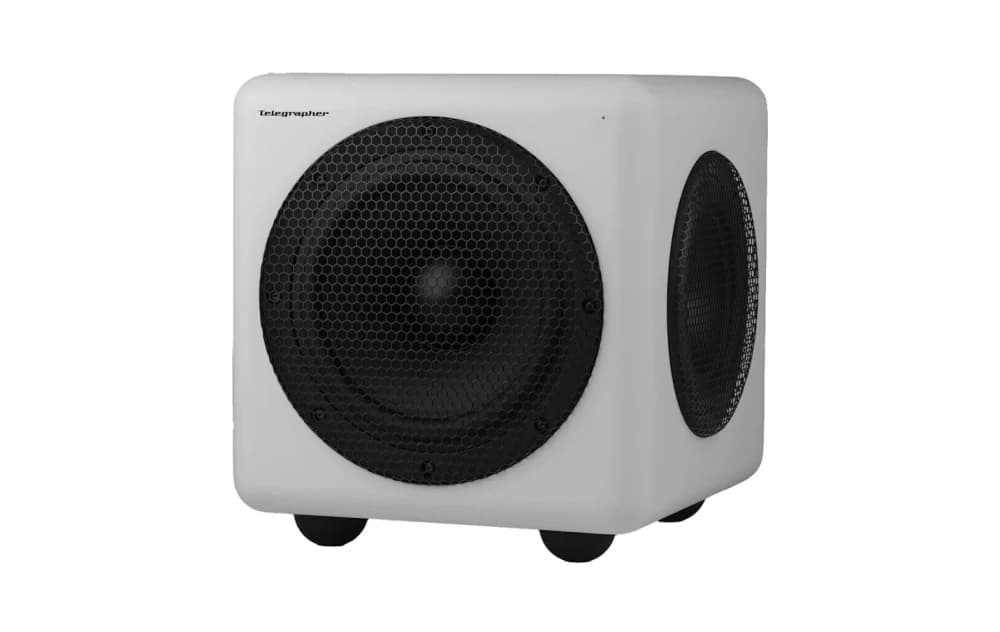
* Telegrapher introduces Hippo, an active analog studio subwoofer designed to complement near- and midfield monitors with precise, controlled sub-bass monitori…

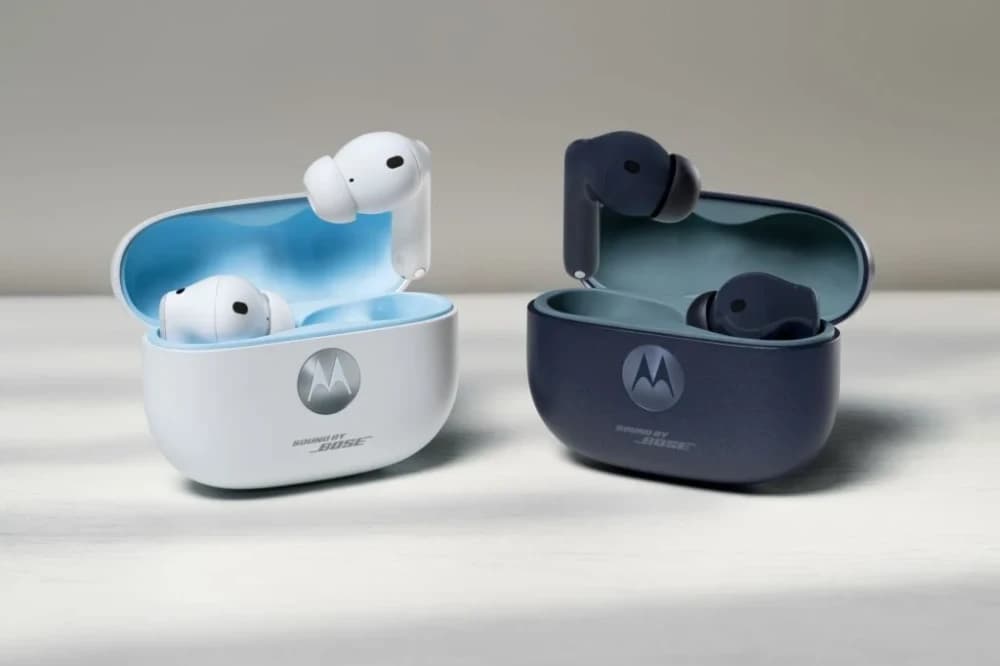
* Motorola unveiled Moto Buds 2 Plus and Moto Buds 2 at MWC 2026, expanding the Moto Things ecosystem with compact Pantone-colored true wireless earbuds.