Get the weekly hi-fi digest — new gear, best reads, and deals.

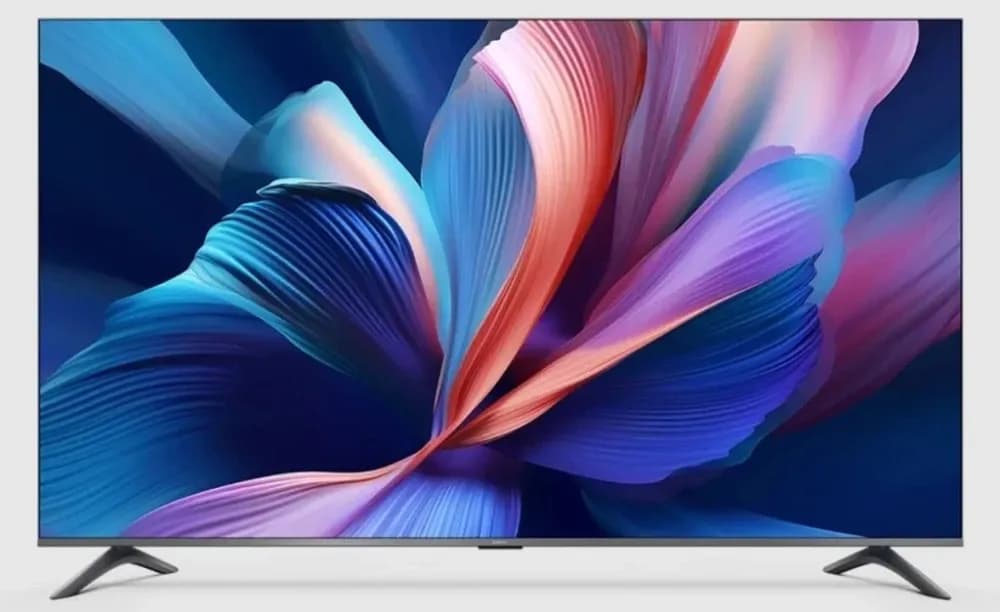
Xiaomi launched the QLED TV X Pro 75 (2026) in India, featuring a 75-inch 4K UHD QLED panel targeting cinematic quality at a competitive price.
The display supports DLG 120Hz refresh rate, HDR10+, Dolby Vision, and Filmmaker Mode, preserving original frame rates, aspect ratios, and accurate creator-intended colors.
Performance is powered by a quad-core Cortex-A55 processor with 2GB RAM and 32GB storage, running Google TV with Netflix, Prime Video, YouTube, Chromecast, and AirPlay 2.
From a technical standpoint, Xiaomi’s approach with the X Pro 75 (2026) reads like a careful balancing act between panel-level fidelity and system-level pragmatism. The use of a QLED layer suggests an emphasis on color volume stability at higher luminance rather than chasing raw contrast theatrics, a choice that aligns well with cinema-oriented presets. Filmmaker Mode here is less a checkbox feature and more a philosophical stance: disabling post-processing pipelines such as aggressive interpolation or oversharpening preserves cadence integrity, which matters when feeding the panel high-bitrate UHD streams or properly mastered Blu‑ray rips via external players.
Under the hood, the Cortex‑A55 platform is familiar territory in mid-to-upper mainstream televisions, and its limitations are well understood. While it won’t brute-force heavy UI overlays or complex background tasks, it remains adequate for consistent decoding of modern codecs and smooth OS navigation when paired with sensible memory allocation. The inclusion of both Chromecast and AirPlay 2 subtly broadens ecosystem neutrality, making the display less of a walled garden and more of a flexible endpoint in mixed Android–Apple households—a point often overlooked in spec sheets but appreciated in real-world rack setups.
On the audio side, the decoding stack is more ambitious than the physical speaker array can fully exploit, yet this is where proper system integration becomes key. eARC support allows the internal apps to pass untouched Atmos or DTS bitstreams to an external AVR or soundbar, bypassing the sonic bottleneck of slim chassis acoustics. In that context, the TV behaves less like a self-contained sound solution and more like a competent digital transport—an attitude that resonates with enthusiasts who already treat the display as one component in a larger signal chain rather than the final arbiter of sound quality.
New gear, best reads, and deals — every Friday.

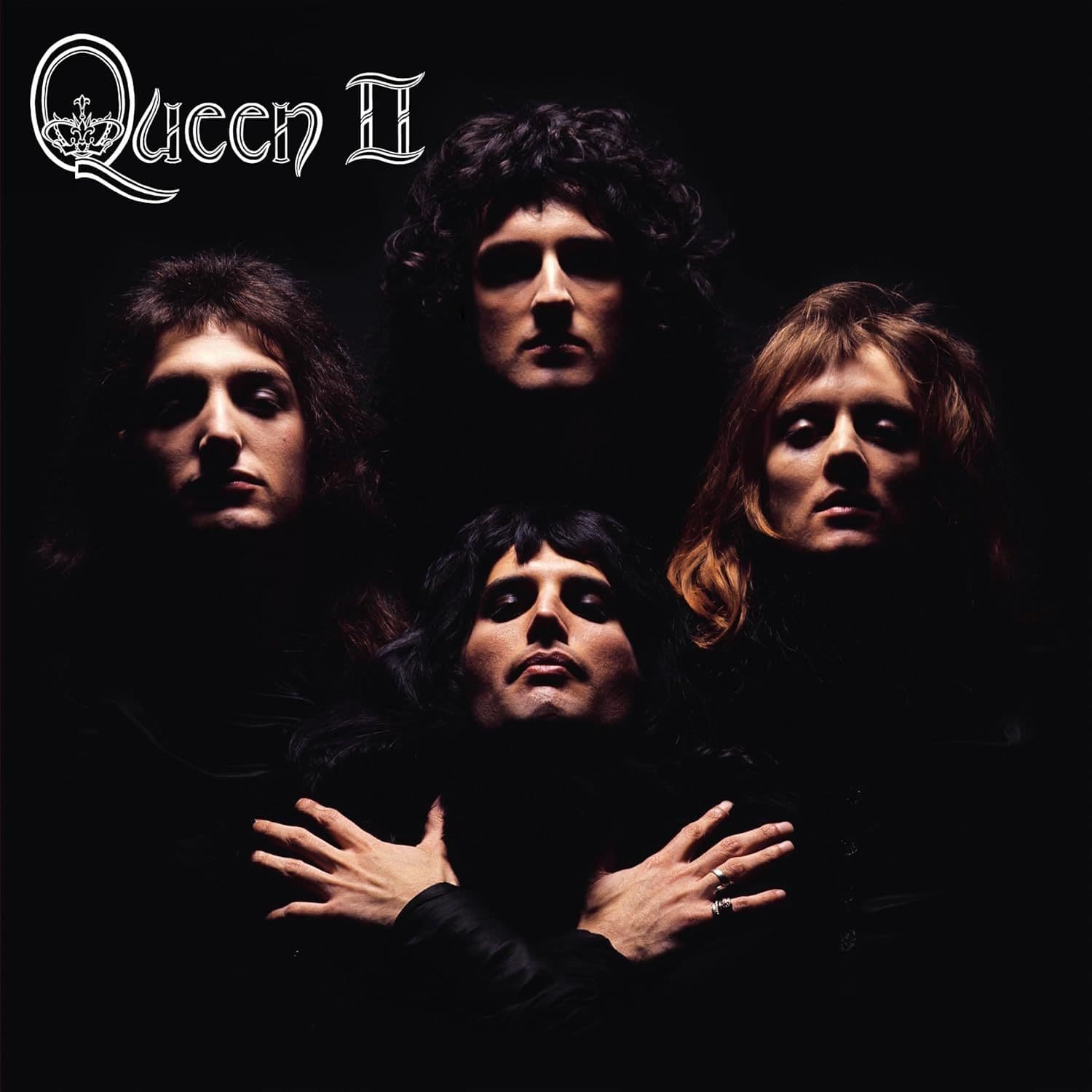
* Queen will release a 5CD+2LP super deluxe Queen II box set on 27 March 2026 via EMI, expanding the original 1974 album extensively.

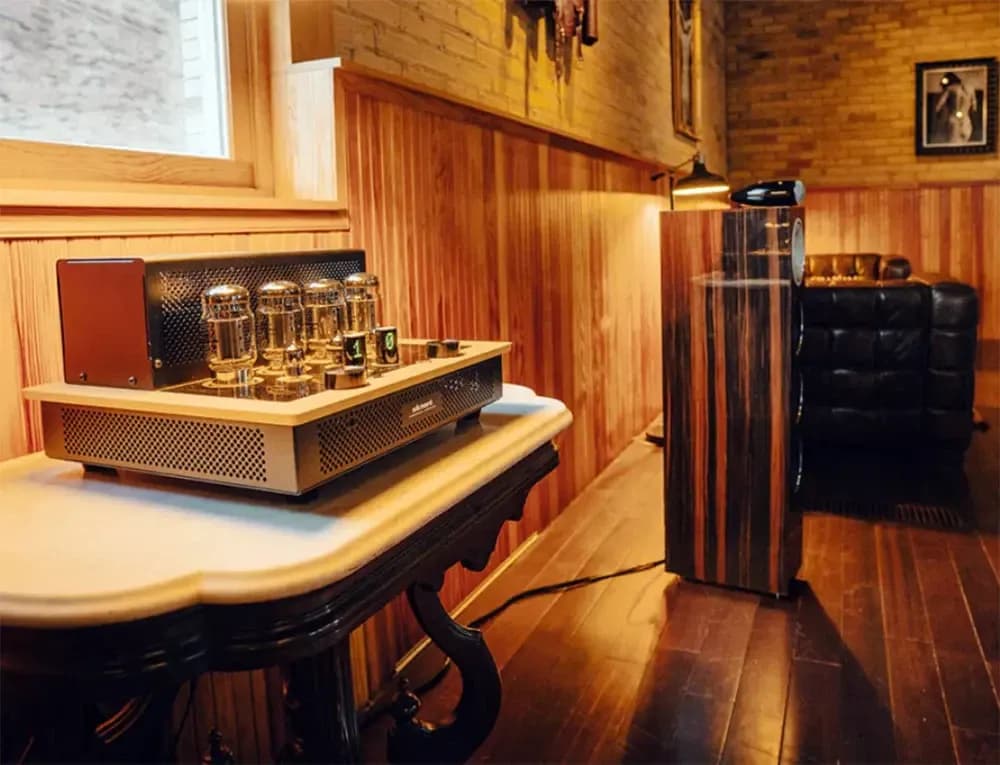
* Audio Research I/55 is a compact tube integrated amplifier derived from I/70, succeeding I/50, targeting high-end listeners seeking classic tube sound with m…

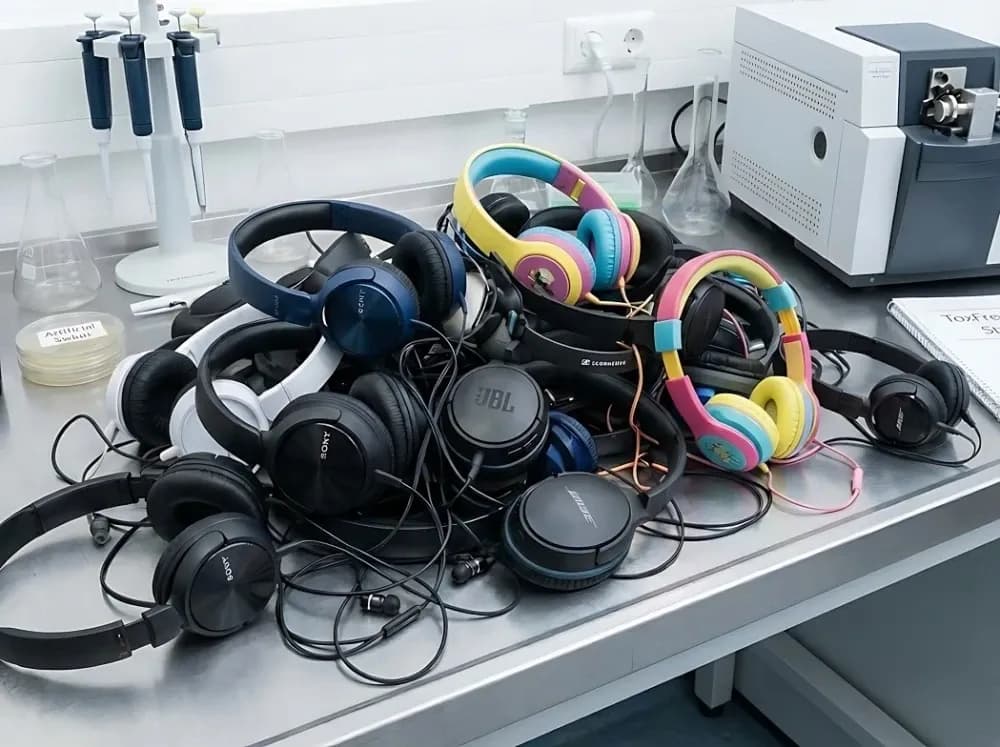
* ToxFreeLife tested 81 headphone models from brands including Sony, Apple, JBL, Bose, Samsung, and Temu across European retail and online marketplaces.

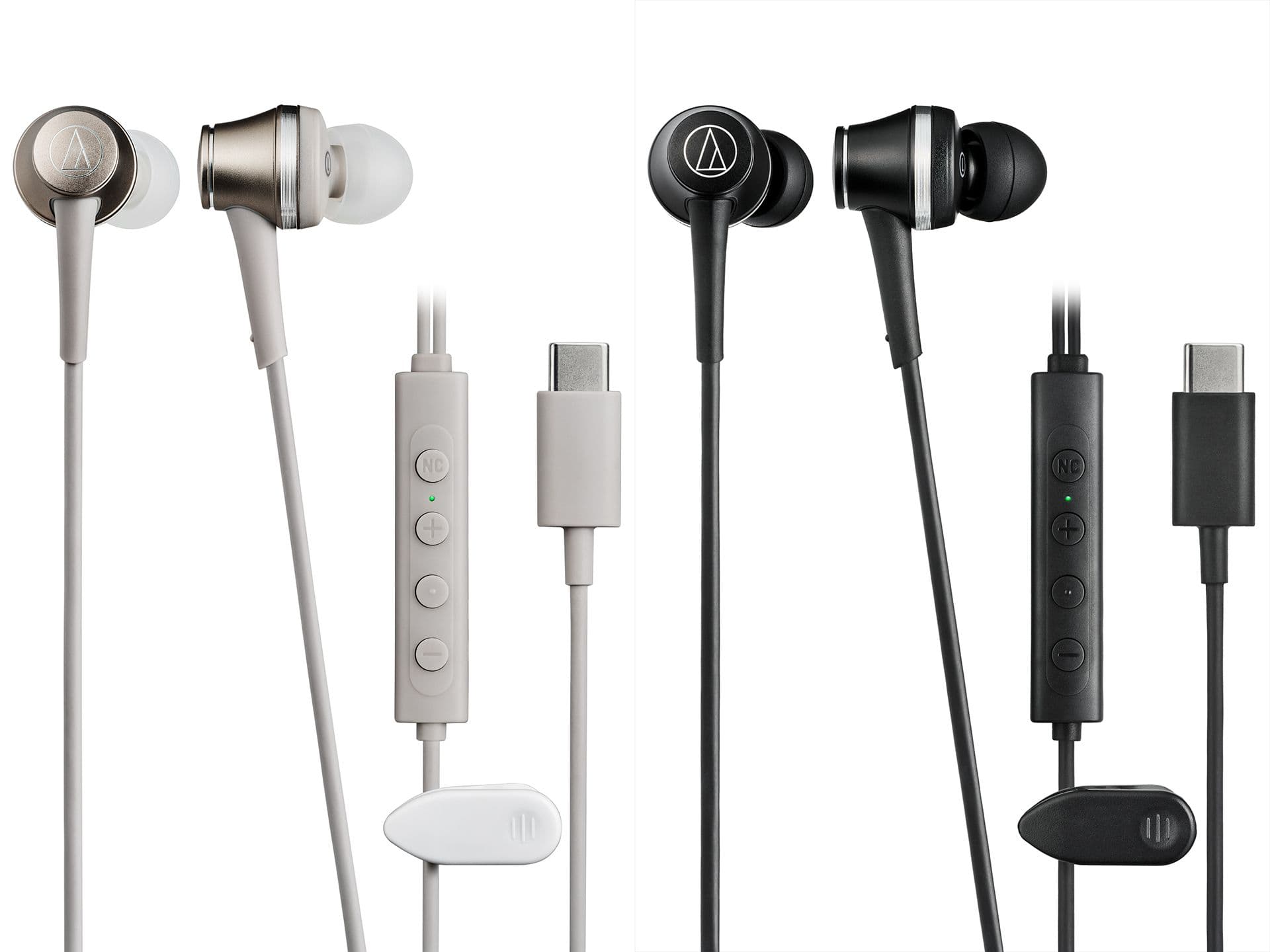
* Audio-Technica launches the ATH-CKD7NC USB-C wired earphones on February 27, featuring hybrid noise cancelling and priced at ¥9,680 via direct sales.