Get the weekly hi-fi digest — new gear, best reads, and deals.

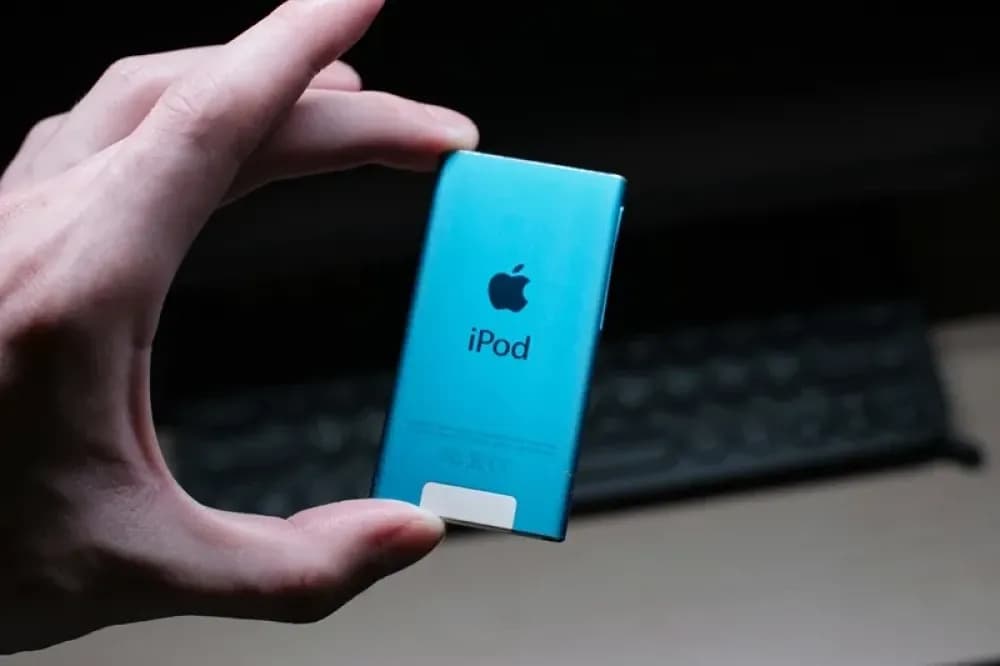
Interest in discontinued Apple iPod Classic and iPod Nano surged, with Google Trends and Axios reporting renewed popularity despite Apple ending production in 2022.
eBay data shows iPod Classic searches rose 25% and iPod Nano searches increased 20% from January–October 2025 compared with the same period in 2024.
Computer science professor Cal Newport attributes the trend to iPods being single‑purpose devices, helping users avoid distractions inherent to smartphones and social media ecosystems.
Beyond nostalgia, the renewed attention to legacy iPods highlights how deliberately constrained hardware can still resonate with modern listening habits. From a technical standpoint, the iPod Classic and Nano represent an era when Apple prioritized deterministic playback over cloud dependency: fixed local storage, predictable buffering, and a signal chain untouched by background apps. Audiophile forums still dissect the Wolfson DACs used in earlier iPod generations, noting their relatively neutral tonal balance and low output impedance, qualities that pair surprisingly well with efficient in‑ear monitors. The physical click wheel, often dismissed as quaint, offers blind navigation accuracy that touchscreens struggle to match during portable listening.
Different observers frame the comeback from distinct angles. Cultural analysts emphasize behavioral fatigue with algorithm‑driven consumption, while education‑focused reporting, such as The New York Times, points to pragmatic reuse of iPods in environments where smartphones are restricted. These perspectives converge on a shared subtext: the value of predictability. Unlike streaming apps that constantly update codecs, loudness normalization, or recommendation logic, an iPod’s playback pipeline is static. For listeners who meticulously tag ALAC or AAC files and normalize gain manually, this stability is part of the appeal, reinforcing a sense of authorship over one’s library.
Importantly, this revival does not signal a rejection of streaming technology but rather a bifurcation of listening modes. High‑volume, exploratory discovery still happens in the cloud, while iPods are increasingly positioned as intentional playback devices—closer in spirit to a portable transport than a smart gadget. In that sense, the trend mirrors broader audiophile practices: separating discovery from critical listening, and valuing friction when it sharpens focus. The iPod’s aging hardware thus gains a new relevance, not despite its limitations, but because of them.
New gear, best reads, and deals — every Friday.

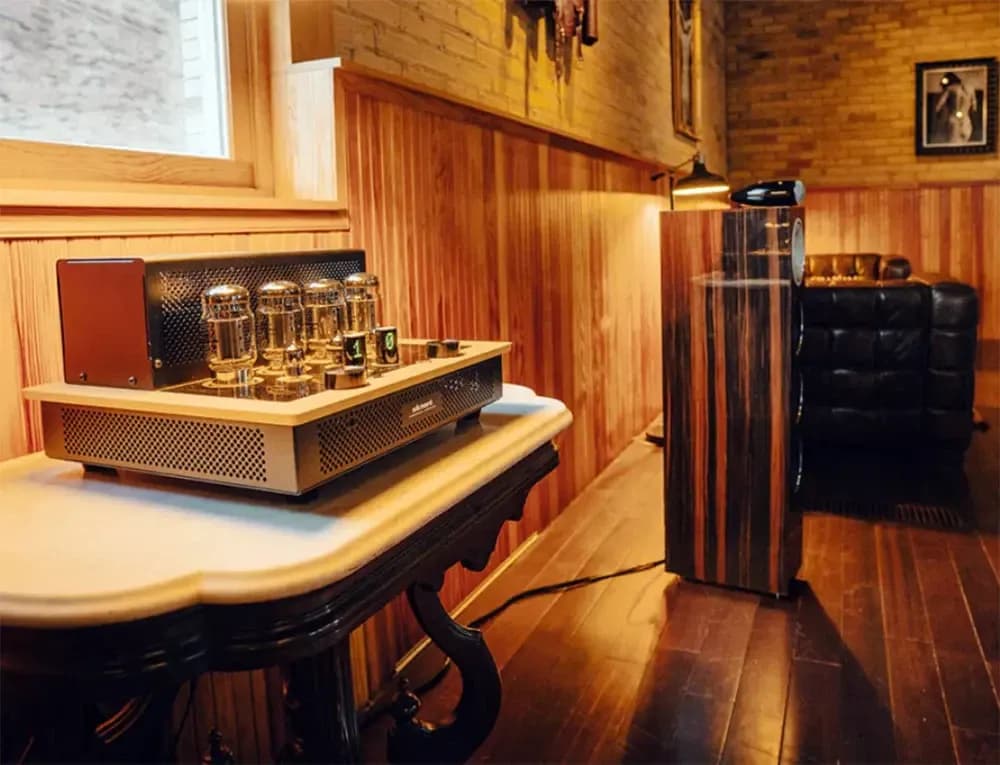
* Audio Research I/55 is a compact tube integrated amplifier derived from I/70, succeeding I/50, targeting high-end listeners seeking classic tube sound with m…

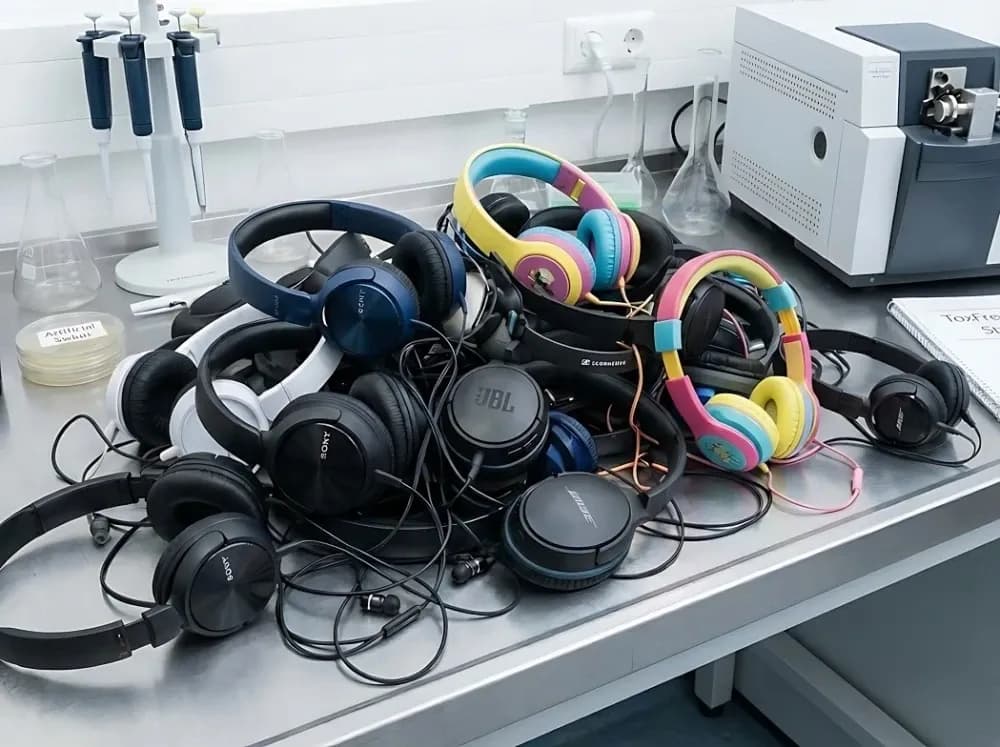
* ToxFreeLife tested 81 headphone models from brands including Sony, Apple, JBL, Bose, Samsung, and Temu across European retail and online marketplaces.

T3 Audio
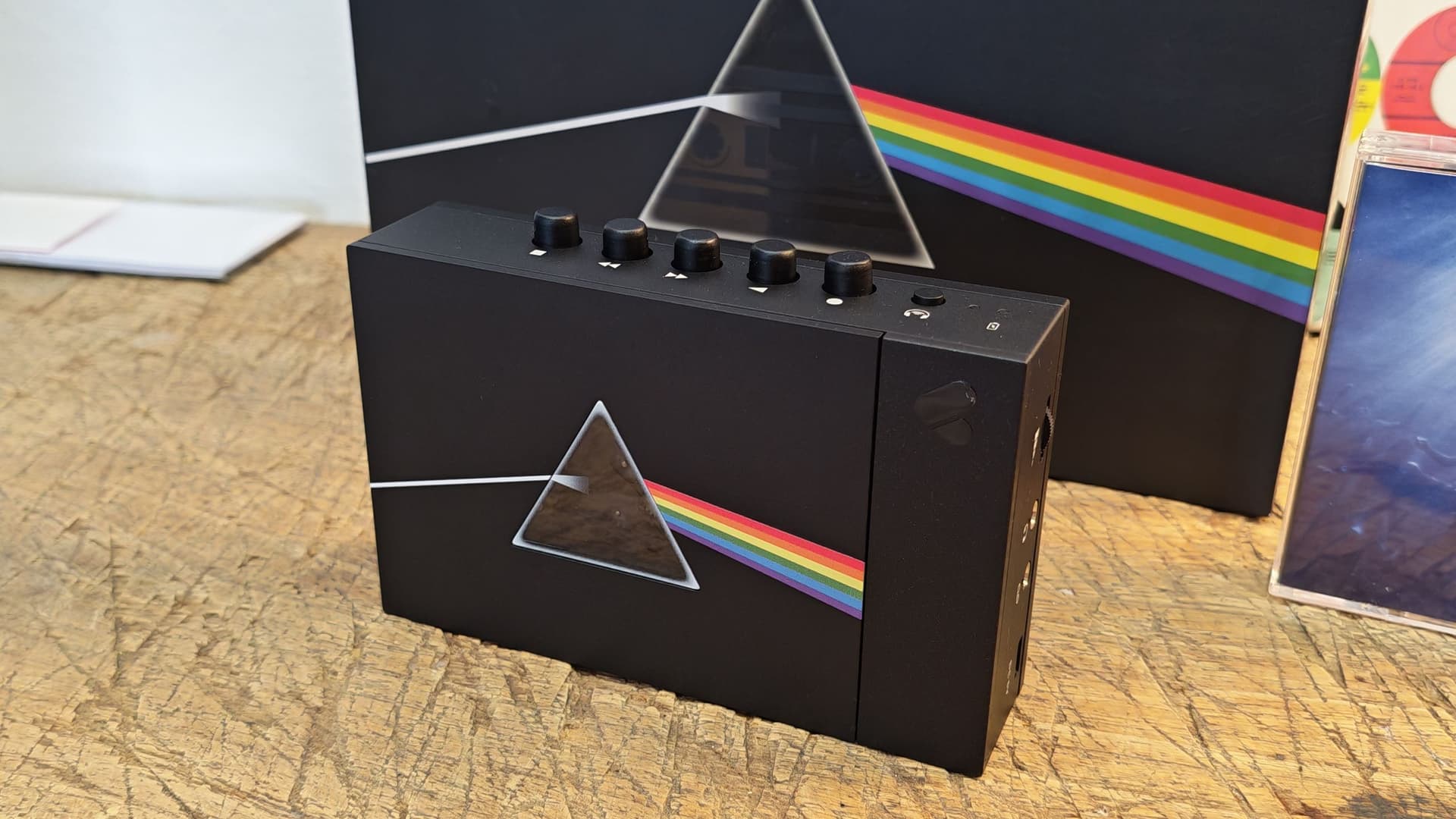
* We Are Rewind announces a limited edition cassette player celebrating Pink Floyd, featuring the iconic Dark Side of the Moon prism artwork on the device.

* sensiBel licensed Sofics’ silicon-proven on-chip ESD protection to strengthen reliability of its SBM100B optical MEMS microphones ahead of volume production.