Get the weekly hi-fi digest — new gear, best reads, and deals.

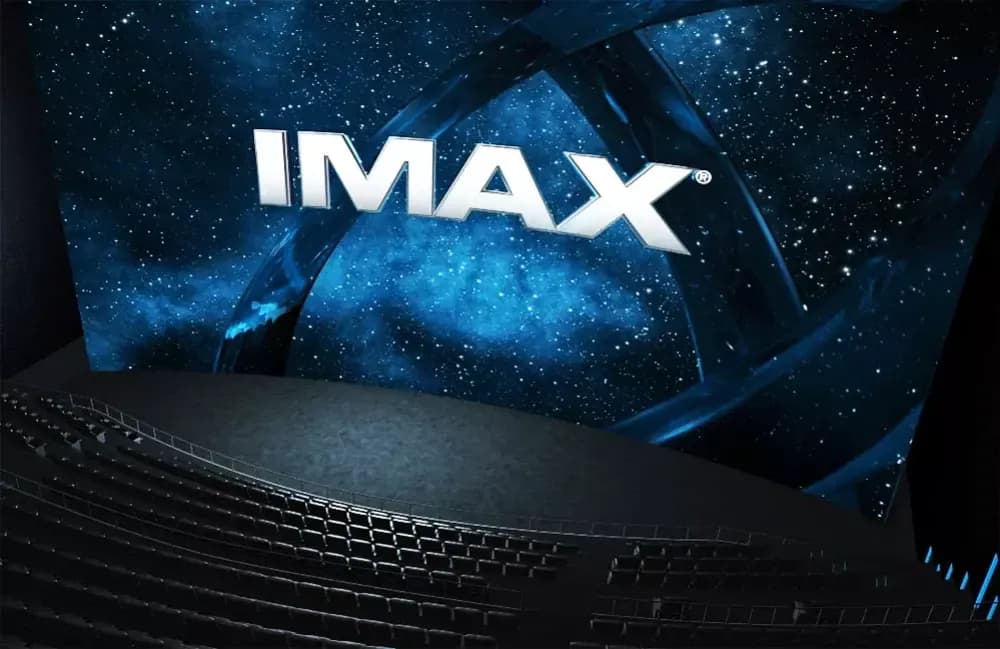
IMAX will livestream Formula 1 races in U.S. theaters through a partnership with Apple, addressing content shortages and expanding beyond traditional film programming.
Five Grands Prix—Miami, Monaco, Silverstone, Monza, and Austin—will be shown live in at least 50 IMAX theaters from May 3 to October 25, 2026.
The deal applies only to the U.S., where Apple TV holds Formula 1 broadcast rights, while races also stream via the Apple TV app with standard subscriptions.
From a technical standpoint, live Formula 1 stresses cinema infrastructure very differently than feature films. IMAX’s current laser systems—particularly dual‑laser installations—offer peak brightness north of 22 fL on massive screens with higher contrast stability than legacy xenon, which matters when dealing with sunlit track shots, reflective car surfaces, and rapid exposure shifts. Motion handling is another quiet win: modern IMAX pipelines are optimized for high frame-rate playback, reducing sample-and-hold blur that typically plagues fast pans in sports. Compared with Dolby Cinema’s emphasis on deep blacks and aggressive HDR tone mapping, IMAX leans toward sheer image scale and temporal clarity—arguably a better fit for motorsport, where speed perception matters more than shadow detail.
Audio is where the experiment becomes especially interesting for hi‑fi‑minded viewers. Live F1 mixes are dense: wideband engine noise, rapid transient spikes from gear changes, and constant spatial movement as cars pass trackside microphones. IMAX’s 12‑channel layout, while less object‑centric than Dolby Atmos, delivers extremely high headroom and uniform SPL across large auditoriums. That translates to cleaner reproduction of sustained high‑RPM engine harmonics without compression artifacts or listener fatigue. The challenge lies upstream: maintaining low-latency, high-bitrate feeds into theaters without aggressive dynamic range management, which could otherwise flatten the visceral impact that defines F1 soundscapes.
Industry perspectives diverge on what this shift ultimately represents. One camp sees live sports as a stopgap until theatrical release slates normalize; another views it as a structural pivot toward event-based cinema, enabled by laser projection’s longer service intervals and reduced operating costs. The mention of future LED cinema walls hints at even higher peak luminance and refresh rates, though current economics remain prohibitive. Meanwhile, Apple’s broader ecosystem raises questions about convergence rather than replacement—cinema-scale presentation versus ultra-personal immersive formats. If anything, Formula 1 becomes a technical test signal: a brutally honest way to expose the strengths and weaknesses of modern premium exhibition chains.
New gear, best reads, and deals — every Friday.

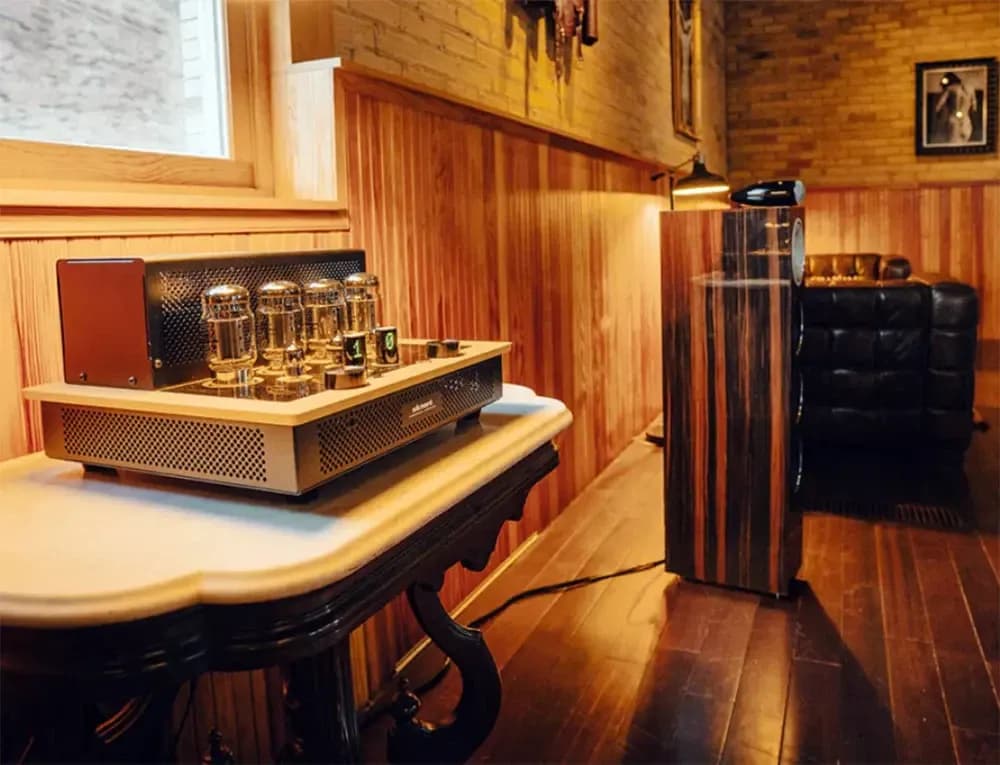
* Audio Research I/55 is a compact tube integrated amplifier derived from I/70, succeeding I/50, targeting high-end listeners seeking classic tube sound with m…

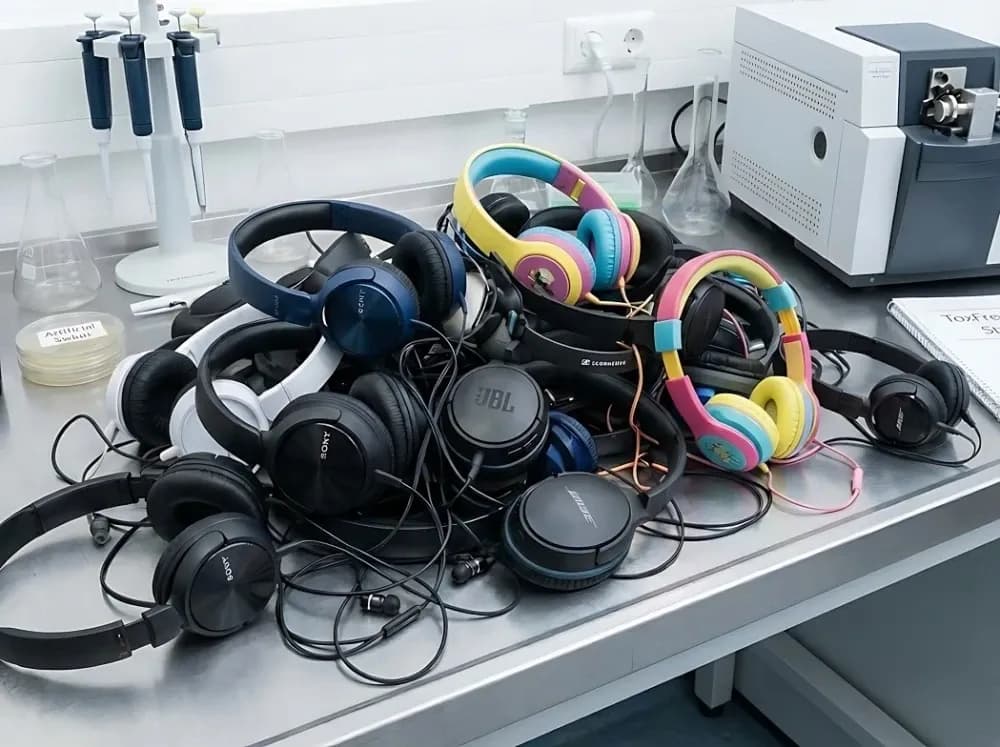
* ToxFreeLife tested 81 headphone models from brands including Sony, Apple, JBL, Bose, Samsung, and Temu across European retail and online marketplaces.

T3 Audio
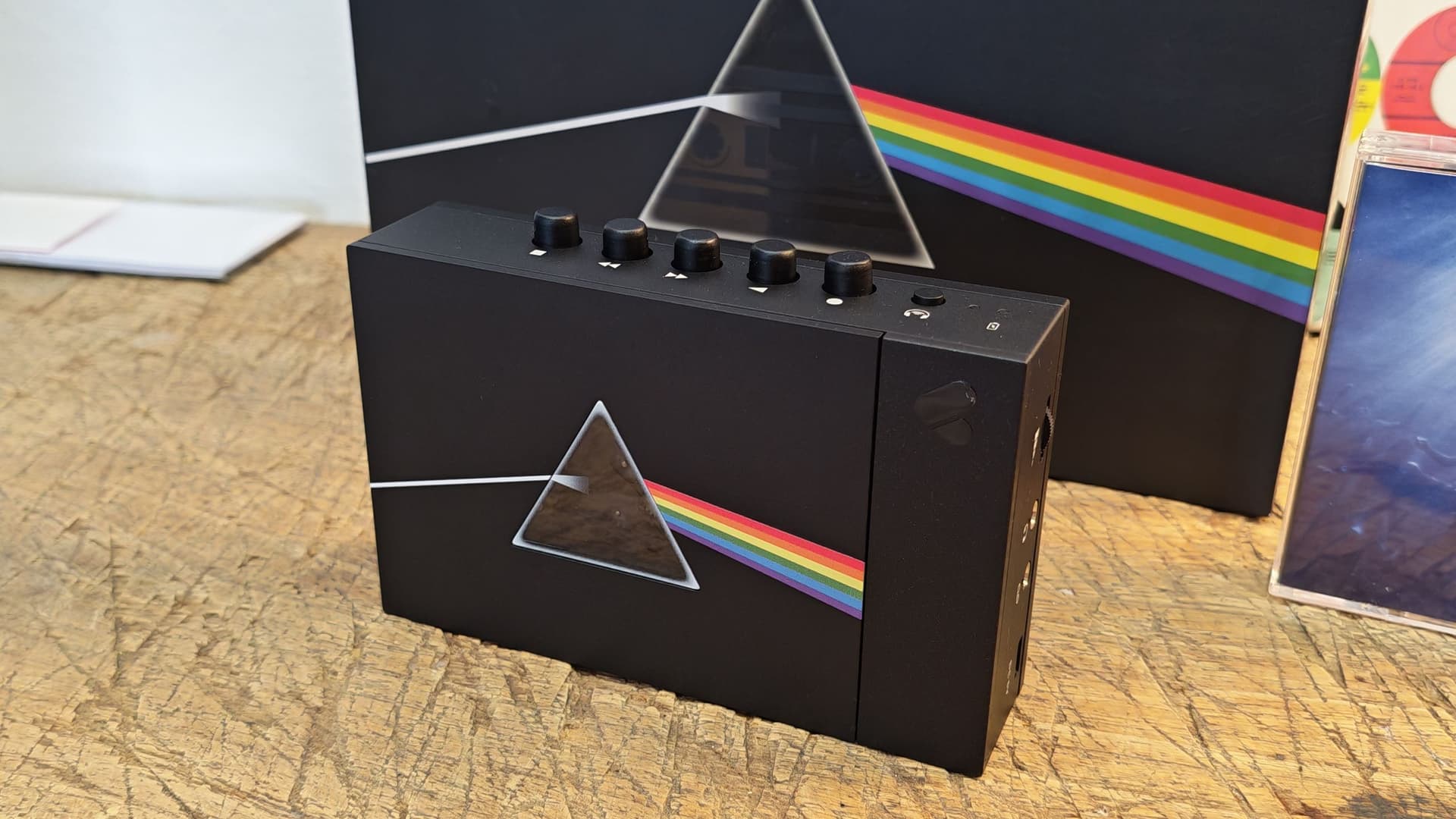
* We Are Rewind announces a limited edition cassette player celebrating Pink Floyd, featuring the iconic Dark Side of the Moon prism artwork on the device.

* sensiBel licensed Sofics’ silicon-proven on-chip ESD protection to strengthen reliability of its SBM100B optical MEMS microphones ahead of volume production.